
We’ve all had that moment of quiet dread. You’re cleaning out a kitchen junk drawer or an old wallet and your thumb brushes against the plastic edge of a gift card. Maybe it’s for a coffee shop you haven’t visited in a year, or a big-box retailer you only frequent during the holidays. Your first instinct isn’t excitement about the “free” money; it’s a calculation of loss. You find yourself squinting at the fine print on the back, looking for an expiry date, wondering if the $50 balance has been quietly devoured by “maintenance fees” while the card sat in the dark.
The frustration is real because, for decades, gift cards were a license for corporations to print money twice: once when you bought the card, and again when they “reclaimed” the unused balance through predatory expiry dates. But here is the good news you’ve been waiting for: in Canada, the law is overwhelmingly on your side. Most of those “use it or lose it” threats are not just empty—they are illegal. Whether you are in Ontario, British Columbia, Alberta, or Quebec, provincial consumer protection acts have effectively killed the gift card expiry date for standard retail cards. However, there is a massive, multi-million dollar loophole involving prepaid Visas and Mastercards that most Canadians fall right into. Let’s get you sorted so you never lose a cent of your hard-earned money to a plastic card again.
Direct Practical Verdict:
In almost every Canadian province, single-retailer gift cards (e.g., Starbucks, Best Buy) can never expire and cannot charge “dormancy fees.” However, “General-Use” prepaid cards (Visa/Mastercard/Amex) are federally regulated and CAN charge monthly fees after 12–15 months. If a retailer refuses an old card, they are likely violating provincial Consumer Protection Acts.
Do Gift Cards Ever Expire in Canada?
The short, authoritative answer is: No, not if you bought them from a specific store. If you walk into a Canadian Tire, a Lululemon, or a local independent bookstore and buy a gift card, that money is legally considered “stored value” that belongs to you indefinitely. Ontario led the charge back in 2007, and most provinces followed suit shortly after. The logic behind these laws is simple: a gift card is a pre-payment for goods or services. Since the merchant has already received the cash, they cannot arbitrarily decide that the contract has ended just because time has passed. If you have a card from 2012 for a store that is still in business, that store is legally required to honour the balance. However, we need to distinguish between the funds and the plastic. Sometimes, a card might have a “valid thru” date printed on it. In the case of retail-specific cards, this is usually just for the physical card’s security features or magnetic strip. If the plastic “expires,” the merchant is still obligated to transfer that balance to a new card for you at no cost. The money itself is immortal.Why Does My Prepaid Visa or Mastercard Have Monthly Fees?
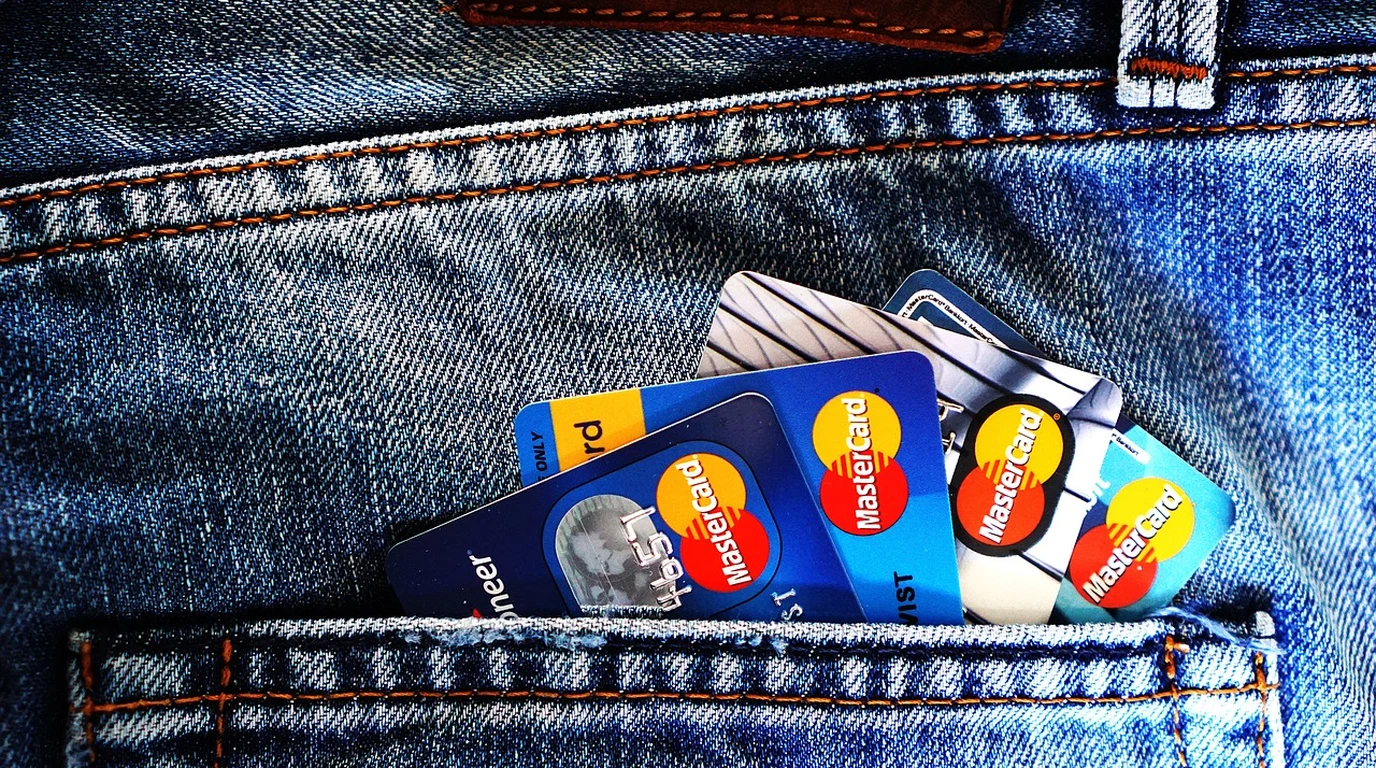
This is the “Costly Trap” that catches 80% of consumers. You might notice that a “Vanilla Visa” or a “Prepaid Mastercard” bought at a grocery store checkout lane behaves very differently than a Gap gift card. These are known as General-Use Prepaid Cards. Because these cards run on international payment networks (Visa, Mastercard, American Express), they often fall under federal jurisdiction rather than provincial consumer law. Specifically, they are governed by the Financial Consumer Agency of Canada (FCAC). Under federal rules, these cards are allowed to charge “maintenance” or “dormancy” fees if the card hasn’t been used for a certain period (usually 12 to 15 months). These fees are often $2.50 to $5.00 per month. If you leave a $50 prepaid Visa in a drawer for two years, you might find the balance has dwindled to zero. This is perfectly legal under current federal regulations, provided the fees were disclosed at the time of purchase. This is why I always tell my clients: use “network” cards immediately, but feel free to sit on “retailer” cards until you actually need something.| Card Type | Expiry Allowed? | Dormancy Fees? | Governing Law | Best Practice |
|---|---|---|---|---|
| Single Retailer (e.g. Amazon, Tim Hortons) | No (Prohibited) | No (Prohibited) | Provincial (CPA) | Treat as cash; no rush to spend. |
| Prepaid Network (Visa, MC, Amex) | Yes (Plastic only) | Yes (After 12-15 mo) | Federal (FCAC) | Spend within 12 months. |
| Shopping Mall Cards (e.g. Cadillac Fairview) | No | Yes (Small monthly fee) | Provincial (Varies) | Check mall-specific terms. |
| Promotional/Charity (Given for free) | Yes | Yes | Contract Law | Use immediately; no protection. |
What Are the Exceptions to the No-Expiry Rule?
While the general rule is “no expiry,” there are three specific scenarios where a business can legally tell you your card is worthless. Understanding these will save you an embarrassing argument at the cash register. 1. The “Free” Card (Promotional/Charitable): If you didn’t pay for the card, the law doesn’t protect it the same way. For example, if a car dealership gives you a $50 gas card as an incentive to take a test drive, or if a charity gives you a card as a thank-you for a donation, that card can have an expiry date. The logic is that no “consideration” (money) was exchanged, so it’s a gift, not a stored-value contract. 2. Specific Service Cards: In some provinces, if a card is for a specific service rather than a dollar amount, it can expire. For example, a voucher for “One Manicure” might expire, whereas a gift card for “$50 at Sally’s Spa” cannot. However, even in this case, many provinces require the merchant to at least honour the original cash value paid for the voucher toward a future service. 3. Business-to-Business (B2B) Cards: If a company buys gift cards to give to employees as part of a reward program, these are sometimes exempt from provincial consumer protection rules, depending on how the contract was structured.How Do Provincial Laws Differ Across Canada?
While the “no expiry” rule is fairly standard, the nuances of fees and “cash-out” rules vary. Ontario: Under the Consumer Protection Act, most gift cards sold after 2007 cannot expire. Retailers are also prohibited from charging “customization” fees or “activation” fees, with very few exceptions. Quebec: Quebec has some of the strongest protections in the country. One unique feature of Quebec law is the “Cash-Out” rule. If your gift card has a balance of $5 or less, the merchant must give you the balance in cash if you ask for it. This prevents the “dangling balance” problem where you have $1.12 left on a card that you can never actually spend. British Columbia: BC’s Business Practices and Consumer Protection Act mirrors Ontario’s expiry ban. BC is particularly strict about “multi-store” cards (like those for a specific shopping mall). While they can charge a small dormancy fee, they must wait at least 12 months, and the terms must be printed clearly on the card in a specific font size. Alberta: Alberta’s Gift Card Regulation also bans expiry dates and most fees. However, like other provinces, it allows for expiry on cards issued for a specific service or those given away for promotional purposes.How to Get Your Money Back: The Actionable Playbook
If you are standing at a counter and a clerk tells you your card is “expired” or “empty due to fees,” do not walk away. Follow this 3-step resolution process. ### Step 1: Identify the Card Type Look at the card. Is it a single brand (e.g., Home Depot)? If yes, you are likely protected by provincial law. Is it a Visa/Mastercard? If yes, check the back for the “Dormancy Fee” schedule. If it’s a single-brand card and they claim it’s expired, politely inform the clerk: *”Under the Provincial Consumer Protection Act, retail gift cards in this province are not permitted to expire. I’d like to speak with a manager to have this balance reinstated.”* ### Step 2: The “Manager’s Bluff” and the Corporate Call Most frontline staff aren’t trained on the 2007 Consumer Protection Act amendments. If the manager insists the system won’t “take the card,” don’t get angry. Ask them to check the balance manually in their system. If the system shows $0 but you know you didn’t spend it, ask for a printout of the transaction history. If the store remains uncooperative, call the corporate head office’s customer service line while you are still in the store. Corporate offices are terrified of provincial regulators and will almost always issue a digital replacement card immediately once they realize you know the law. ### Step 3: File a Formal Complaint If the business refuses to budge, your next stop is the provincial consumer oversight body. These agencies take gift card violations seriously because they are “black and white” legal infractions. * Ontario: Ministry of Public and Business Service Delivery. * BC: Consumer Protection BC. * Alberta: Service Alberta (Consumer Awareness). * Quebec: Office de la protection du consommateur. Simply mentioning that you intend to file a report withConsumer Protection BC (or your local equivalent) is often enough to make a stubborn manager find a way to honour your card.
The Bottom Line on Gift Card Rights
Your gift cards are essentially Canadian currency that can only be spent in one place. You wouldn’t let a $50 bill expire in your pocket, and you shouldn’t let a retailer “expire” your gift card balance. The only real danger zone is the Prepaid Network Card. If you receive a Visa or Mastercard gift card, set a calendar reminder to spend it within 11 months. For everything else—from your favourite coffee shop to the local hardware store—take a deep breath. That plastic in your junk drawer is still good, and the law is standing right behind you to make sure it stays that way.Frequently Asked Questions
Can a store charge me a fee to activate a gift card? For standard retail gift cards, most provinces prohibit “activation fees.” However, General-Use Prepaid Cards (Visa/Mastercard) almost always charge an “upfront purchase fee” ranging from $3.95 to $7.95. This is legal as it is considered a service fee for the payment network. What happens to my gift card if the company goes bankrupt? This is the one major risk. If a company files for bankruptcy (like Sears or Target Canada did), gift card holders become “unsecured creditors.” In most cases, the cards become worthless overnight. If you hear news that a retailer is struggling financially, spend your gift cards immediately. Can I exchange my gift card for cash? In most provinces, no. Except for Quebec (for balances under $5), retailers are not legally required to redeem a gift card for cash. They are only required to honour it for goods and services.
Consumer Fee Protections & Regulatory Expiry Bans
Provincial consumer protection legislation prohibits both unfair warranty practices and predatory asset expiration. For statutory rules governing stored-value products, see our guide on Canada Statutory Warranty Laws: Provincial Rights.