
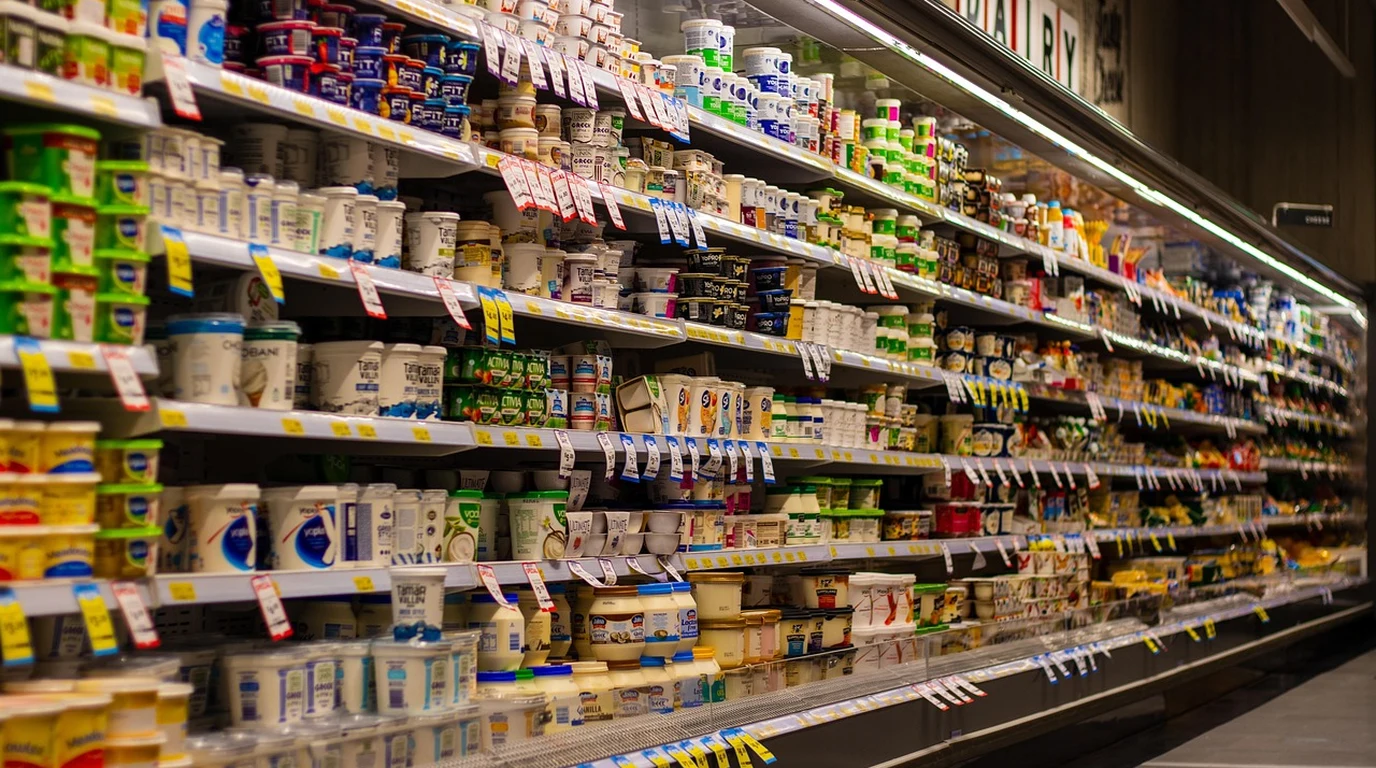
You’re standing in the dairy aisle at FreshCo, phone in one hand and a carton of milk in the other. You’ve got the Walmart digital flyer pulled up on your screen, showing a price for “Great Value” milk that’s nearly two dollars cheaper than the “Compliments” brand in front of you. You feel that familiar surge of adrenaline—the “smart shopper” high—mixed with a nagging sense of social anxiety. You look at the line forming at checkout and wonder: *Is the cashier going to shut me down? Is this actually a “match,” or am I about to hold up ten people for a discount that doesn’t exist?*
I’ve been there. We’ve all been there. In an era where Canadian grocery prices feel like they’re being adjusted by a random number generator designed to punish our bank accounts, price matching isn’t just a hobby; it’s a survival strategy. But here’s the cold, hard truth: most shoppers walk into FreshCo or No Frills armed with the wrong expectations. They assume “milk is milk” and “bread is bread.” In the eyes of a retail giant’s corporate policy, that logic doesn’t hold water. Understanding the friction between FreshCo’s “Cheaper Guarantee” and Walmart’s aggressive “Great Value” pricing is the difference between saving $40 a week and leaving the store frustrated and empty-handed.
## The “Double Fresh Guarantee” Loophole
While FreshCo is rigid about brand-matching for packaged bread and dairy, they have a separate, more powerful policy for produce and bakery items: the Double Fresh Guarantee.
If you buy a loaf of in-store baked bread or a carton of berries and you aren’t satisfied with the quality, FreshCo doesn’t just refund your money—they replace the item and give you a refund. How does this relate to price matching? It speaks to the store’s philosophy on “fresh” items. While you can’t price match a Walmart bakery loaf against a FreshCo bakery loaf (because they aren’t “identical”), you can often find “unbranded” produce (like a 5lb bag of russet potatoes) that is eligible for matching.
In the world of produce, the “brand” is often just the country of origin or the weight. If Walmart has 5lb bags of potatoes for $2.99 and FreshCo has them for $4.99, that is a valid match because the product is generic. This is a massive win for dairy-adjacent shopping, like getting the best price on the fruit you put in your yogurt.
## Why Store Managers Sometimes Say “Yes” (And How to Be That Customer)
Retail is a human business. While the corporate handbook says “No Great Value matches,” store managers have the ultimate authority to override the system to ensure customer satisfaction. I’ve seen managers approve a store-brand match simply because the customer was polite, organized, and doing a large shop.
If you want to attempt a “parity match” (matching Compliments to Great Value), don’t do it during the 5:00 PM rush on a Tuesday. Go when the store is quiet. Present your case logically: “I know these aren’t the same brand, but the price difference is significant. Is there any way you can help me out today?”
The worst they can say is no. But if you’re the person screaming about “consumer rights” while holding up a line of twenty people, you are guaranteed to get a “no” every single time.
## Your 3-Step Playbook for a Flawless Checkout Experience
To ensure you never lose a price match battle again, follow this tactical checklist before you even grab a shopping cart.
### 1. The Digital Pre-Sort (The “Flipp” Method)
Don’t walk into the store and start searching for deals. Use an app like Flipp or Reebee the night before. Search specifically for “Milk,” “Bread,” “Butter,” and “Eggs.” These are your high-ticket dairy and bakery items.
* Pro Tip: “Clip” the national brands only. If you see a deal on Great Value, ignore it for FreshCo—it’s a waste of your time. Look for the Sealtest, Natrel, or Wonder Bread logos.
### 2. The “Parity Check” in the Aisle
Once you’re in the aisle, verify the weight. If the Walmart flyer says “Dempster’s Whole Wheat Bread 600g” and the FreshCo shelf says “Dempster’s Whole Wheat Bread 675g,” put it back. The cashier’s system will flag the weight difference, and you’ll lose the match. You need a 1:1 ratio on grams, milliliters, or count.
### 3. The “Front-Load” Strategy at Checkout
When you get to the cashier, group all your price-match items at the very front of your belt. Tell the cashier immediately: “I have four price matches today.” This allows them to mentally prepare for the extra keystrokes. Have your phone open, brightness turned up, and the specific flyer items already “clipped” and ready to show.
If you make the cashier’s job easy, they are far more likely to give you the benefit of the doubt on a “borderline” item.
## The Bottom Line on FreshCo vs. Walmart
FreshCo’s price match policy is one of the best in Canada because of that extra one-cent discount, but it requires a disciplined shopper to execute it. You cannot treat it as a “general discount” tool. It is a precision instrument.
By focusing on national brands for your bread and dairy needs and using the “Double Fresh” guarantee for your produce, you can effectively bridge the gap between Walmart’s rock-bottom pricing and FreshCo’s convenient locations. Stop trying to match Great Value to Compliments—it’s a losing battle. Start matching Wonder to Wonder, and watch your grocery bill shrink.
### Frequently Asked Questions
Can I price match a “Multi-Buy” offer (e.g., 2 for $5.00) at FreshCo?
Yes, FreshCo will generally honor multi-buy offers from competitors like Walmart. They will calculate the unit price (in this case, $2.50) and apply the one-cent discount to each item you purchase, provided you meet the quantity requirements of the original ad.
Does FreshCo price match “Clearance” or “Limited Quantity” items?
No. FreshCo’s policy specifically excludes clearance items, “while supplies last” offers, and limited-time door-crashers. The item must be a regular flyer item available to the general public at the competing store.
What happens if the item is out of stock at FreshCo?
If FreshCo is out of stock of an item they usually carry that is currently on sale in a competitor’s flyer, they are not obligated to provide a raincheck at the competitor’s price. Price matching only applies to in-stock items.
Direct Practical Verdict:
## Why Does FreshCo Reject My Walmart Store-Brand Match?
The most common point of failure at the checkout counter is the “Private Label Paradox.” You see a loaf of Walmart’s Great Value white bread for $1.97. FreshCo’s Compliments white bread is $2.49. To you, the consumer, these products are functionally identical. They both make toast; they both have the same nutritional profile. But to FreshCo, these are two entirely different products manufactured by different entities.
FreshCo’s price match policy—officially known as the “Cheaper Guarantee”—is built on the foundation of “Identical Items.” This means the brand, the size, and the packaging must be a mirror image. If you bring a flyer for Wonder Bread, FreshCo will match it because Wonder Bread is a national brand sold at both stores. But “Great Value” is a proprietary brand owned by Walmart. FreshCo does not carry Great Value, therefore they cannot “match” an item they don’t stock.
This is where 80% of shoppers get tripped up. They try to match store brands across different chains. While some discount retailers like Giant Tiger occasionally have more “fluid” interpretations of this rule to keep customers happy, FreshCo (owned by Sobeys/Empire) is generally more rigid. They want you to match the big names—Kraft, Campbell’s, Coca-Cola, or Dempster’s—because those are the items where the price war is most transparent.
## The Bread and Dairy Nuance: Where You Can Actually Win
If you want to maximize your savings on the “Big Two”—bread and dairy—you have to change your target. Instead of looking for the cheapest store brand at Walmart to match at FreshCo, look for the “Loss Leader” national brands.
Dairy is a highly regulated industry in Canada, but retailers still use it to drive foot traffic. When Walmart puts Natrel or Sealtest milk on sale, that is your golden ticket. FreshCo will not only match that price, but their policy dictates they will beat it by one cent. The same applies to bread. If Walmart has a multi-buy deal on Dempster’s (e.g., 2 for $6.00), FreshCo will typically honor the unit price of $3.00, provided the flyer clearly states the individual price or the math is straightforward.
However, be wary of the “Unit Size Trap.” Walmart often stocks “club size” or “Walmart Exclusive” packaging for dairy products—think of those specific 4L milk jugs or 1.5kg yogurt tubs. If FreshCo only stocks the 1kg tub, the match is dead on arrival. Always check the grams or milliliters before you reach the front of the line.
## Comparing the Giants: Who Has the Best Price Match Policy?
Not all price match guarantees are created equal. Some stores want to make it easy for you; others want to make you work for every nickel. FreshCo’s “beat it by a cent” is aggressive, but it comes with stricter enforcement of the “identical item” rule than you might find at a local independent grocer.
FreshCo will price match Walmart on identical national brands (e.g., Wonder Bread, Natrel Milk) and beat the price by one cent. However, they strictly refuse to match Walmart’s “Great Value” store brand against their own “Compliments” or “Panache” labels, as policy requires an exact brand-for-brand match to trigger the guarantee.
| Retailer | Policy Name | The “Kicker” | Store Brand Match? | Ease of Use |
|---|---|---|---|---|
| FreshCo | Cheaper Guarantee | Beats price by 1¢ | Strict No | Moderate (Strict on size) |
| No Frills | Won’t Be Beat | Matches price exactly | Strict No | High (Very common) |
| Giant Tiger | Ad Match Guarantee | Beats price by 1¢ | Sometimes (Manager’s choice) | High (Very friendly) |
| Real Canadian Superstore | Price Match | Matches price exactly | Strict No | Moderate (Limit 4 items) |
Supermarket Price Matching & Competitor Parity
Warehouse club satisfaction policies complement aggressive grocery price-matching tactics. For supermarket brand matching rules, consult our analysis on Costco Canada Membership Refunds: 100% Policy Rules.