
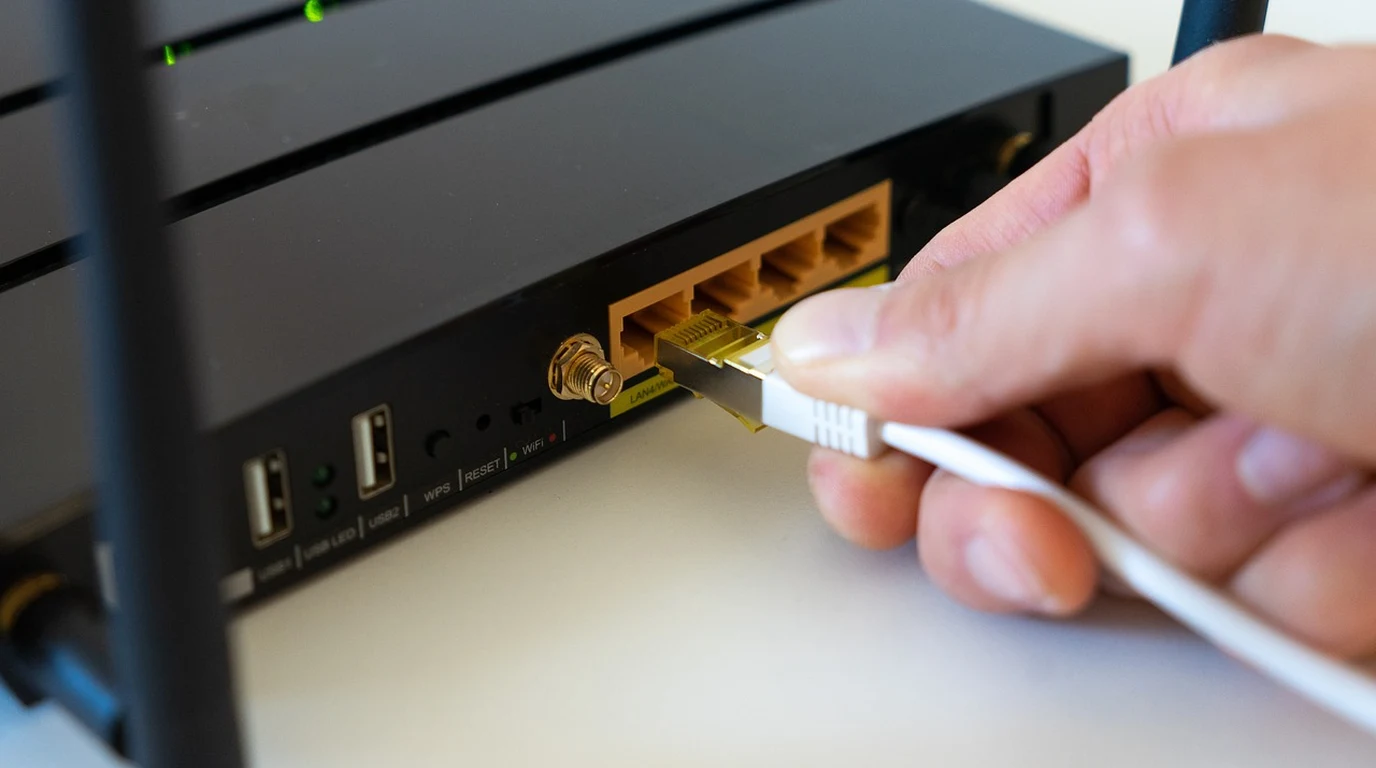
Few consumer experiences in Canada generate more visceral fury than receiving an unexpected final invoice from a major telecommunications provider billing $250 to $450 for “unreturned hardware” that you dropped into a Canada Post shipping receptacle weeks ago. As broadband competition shifts toward high-speed pure fibre and DOCSIS 4.0 cable gateways, the physical modem sitting in your hallway has transitioned from a utility appliance into a primary vehicle for aggressive corporate fee extraction.
Every year, thousands of Canadian households switch Internet service providers to escape promotional rate expirations, only to find themselves ensnared in an automated billing nightmare. Between mandatory monthly equipment “rental” surcharges quietly stripped of their lifetime discounts and administrative courier tracking failures, consumers routinely bear the financial brunt of broken reverse-logistics pipelines. Understanding your legal rights under the Canadian Radio-television and Telecommunications Commission (CRTC) and the Commission for Complaints for Telecom-television Services (CCTS) is the only reliable shield against unauthorized telecom penalties.
How Do Telecoms Charge for Unreturned Modems in Canada?
The operational mechanics behind the modern telecom hardware trap stem from automated fulfillment systems that operate independently of customer service records. When an account termination order is processed by Bell, Rogers, Telus, or Cogeco, the automated enterprise resource planning (ERP) system generates a ticking 30-day countdown clock. If the serial number matching the hardware assigned to your specific subscriber identifier is not scanned into the central warehouse inventory system before day 30, the billing software triggers an automated “Unreturned Equipment Fee” (UEF).
Herein lies the structural failure point: Canadian consumers almost never hand modems directly to telecom employees at physical retail stores. In an effort to slash retail operational overhead, the major carriers have systematically barred retail storefronts from accepting returned broadband gateways, forcing customers to rely on third-party courier drop-offs (primarily Canada Post or Purolator). If a warehouse clerk fails to barcode-scan your package upon pallet arrival, or if the package sits uncatalogued in a regional distribution sorting facility for three weeks, the automated billing engine assumes the customer stole the hardware and strikes your credit card.
Furthermore, because the overwhelming majority of internet subscribers are enrolled in pre-authorized credit card billing or automatic bank debits as a condition of receiving paperless promotional discounts, the carrier extracts these multi-hundred-dollar fees directly from the customer’s account without requiring active authorization. By the time the consumer notices the deduction on their monthly statement, the carrier’s front-line offshore support representatives claim they are powerless to reverse the fee without “verifiable tracking proof.”
Forensic Hardware Fee Matrix: Carrier Penalties Compared
The table below provides a forensic breakdown of the replacement hardware penalties, grace periods, and return mechanisms enforced by Canada’s primary internet service providers as of 2026. Note the dramatic variation between standard Wi-Fi gateways and specialized Wi-Fi 6E/7 mesh pods.
| Service Provider | Primary Gateway Penalty | Mesh Wi-Fi Pod Fee | Return Grace Period | Permitted Return Channel |
|---|---|---|---|---|
| Bell Canada (Giga Hub) | $199.00 – $299.00 | $75.00 per pod | 30 Days from cancellation | Canada Post prepaid return label only; stores refuse hardware. |
| Rogers Communications (Ignite Gateway) | $200.00 – $350.00 | $120.00 per pod | 15 – 30 Days | Canada Post / Purolator QR code drop-off; select corporate stores. |
| Telus (PureFibre Wi-Fi 6 Hub) | $250.00 – $400.00 | $100.00 per booster | 30 Days from cancellation | Canada Post prepaid return label; retail return strictly barred. |
| Cogeco / Vidéotron | $150.00 – $275.00 | $60.00 per pod | 30 Days from cancellation | Canada Post return voucher or local designated depot. |
| Independent Wholesalers (Teksavvy, Oxio) | $80.00 – $150.00 | N/A (Included / BYOD) | 30 – 45 Days | Prepaid Canada Post label; clear email receipt confirmation. |
The CRTC Internet Code & Equipment Disclosure Rules
The regulatory foundation governing broadband contracts in Canada is the CRTC Internet Code (established under Telecom Regulatory Policy CRTC 2019-269). While the Code is celebrated for eliminating 30-day cancellation notice periods and capping early termination charges, its provisions regarding leased hardware contain critical statutory safeguards that telecom providers frequently obscure.
Under Section F of the CRTC Internet Code, service providers are legally obligated to provide a Critical Information Summary (CIS) at the time of contract execution. This summary must clearly state:
- Whether the modem is leased, rented, or purchased by the consumer.
- The exact monthly equipment rental fee (and the date any promotional $0 equipment discount expires).
- The exact replacement cost penalty that will be assessed if the equipment is not returned in good working order upon service termination.
- Comprehensive, written instructions explaining the exact procedure and timeline for returning the equipment.
Crucially, if a service provider fails to deliver written return instructions or fails to provide a free return shipping label upon service cancellation, assessing an unreturned hardware fee is a direct violation of CRTC mandatory codes. Furthermore, under standard contract law recognized across Canadian provinces, a carrier cannot hold a consumer financially liable for carrier-directed reverse logistics if the consumer can demonstrate third-party delivery custody to Canada Post.
The 16-Digit Tracking Receipt: Your Only Legal Defense
When you drop a modem off at a Canada Post counter, the postal clerk prints a thermal paper receipt containing a 16-digit tracking number (e.g., `4012 3456 7890 1234`). This single piece of thermal paper is worth between $250 and $500.
Thermal paper is engineered for short-term retail use and degrades rapidly when exposed to heat, friction, or sunlight. If you place that receipt in your wallet or on your car dashboard, the text will completely fade within three weeks—leaving you with zero physical evidence precisely when the telecom billing system triggers its unreturned equipment penalty.
The moment the postal clerk hands you the receipt, follow this ironclad documentation protocol:
- Take a high-resolution photograph of the receipt immediately inside the post office, ensuring the 16-digit tracking number, date stamp, weight, and destination postal code are razor sharp.
- Take a second photograph of the actual shipping box showing the shipping label, carrier barcode, and the modem’s printed serial number / MAC address label clearly visible side-by-side.
- Track the package online at
canadapost.caand screenshot the “Delivered” status page showing the date, time, and receiving facility signature. - Save these three images into a dedicated cloud folder named
[Carrier Name] Hardware Return 2026. Do not discard this folder for a minimum of 12 months.
How to Force Immediate Refunds via CCTS Escalation
If a telecommunications provider has already extracted an unreturned equipment fee from your account despite your timely return, do not spend hours arguing with front-line tier-1 customer service representatives. Front-line phone agents operate under strict retention metrics and frequently do not possess the system authority to issue immediate $300+ credits.
Instead, execute the proven Three-Tier Escalation Framework:
Step 1: Contact the “Management Escalation Office”
Request an immediate transfer to the carrier’s internal executive resolutions department (often called the Office of the President at Bell, Rogers, and Telus). State clearly: “I have photographic proof of Canada Post tracking delivery to your warehouse on [Date]. Your automated billing system has improperly charged my account $350. Please reverse this charge immediately and issue a formal confirmation number.”
Step 2: File an Official CCTS Complaint
If the carrier does not reverse the fee within 48 hours, navigate immediately to ccts-cprst.ca and file a formal consumer complaint. The Commission for Complaints for Telecom-television Services is an independent federal ombudsman with statutory authority to resolve consumer disputes up to $5,000.
Filing a CCTS complaint takes less than 15 minutes. Attach your photographic evidence: the Canada Post receipt, the box photos, the serial number, and your bank statement showing the unauthorized debit. The moment the CCTS accepts your complaint, it charges the telecom provider an automatic dispute investigation fee (which often exceeds the cost of the modem itself). Carrier specialized legal teams resolve 90%+ of CCTS unreturned equipment complaints with complete refunds within 14 business days to avoid adverse public regulatory rulings.
Never allow a telecom carrier to treat reverse-logistics errors as consumer debts. Canadian carriers process tens of thousands of parcels monthly and routinely write off customer returns as missing due to internal warehouse disorganization. The law does not require you to ensure the carrier unpacks the box—it requires only that you surrender custody to their designated shipping agent. Guard your postal tracking slip like currency, revoke pre-authorized payment privileges upon account cancellation, and file with the CCTS the moment an unauthorized hardware charge touches your ledger.
The 4:00 PM Actionable Cancellation Checklist
If you are planning to cancel your home internet or change service providers this week, follow this exact regulatory roadmap to guarantee zero unreturned equipment fees:
- Revoke Pre-Authorized Debit / Credit Card Privileges: Before placing your cancellation call, log into your online banking portal or call your credit card issuer to revoke automatic payment authorization. Demand that the final bill be issued as an electronic invoice payable manually through online banking bill pay. This prevents the carrier from unilaterally pulling funds.
- Demand a Prepaid Return Waybill via Email: During the cancellation call, request that the agent email a prepaid Canada Post or Purolator return label immediately. Ensure your account number and customer identifier are explicitly tied to the waybill.
- Record Modem Serial Numbers: Photograph the manufacturer label on the underside of the gateway showing the Serial Number (S/N) and MAC Address prior to sealing the shipping container.
- Surrender to Canada Post Counter: Never drop equipment into a street mailbox. Always hand the package to a postal clerk inside a retail post office and demand a physical printed acceptance receipt with an active tracking barcode.
- Execute CCTS Strike on Day 3: If an unreturned equipment charge appears on your statement despite verified postal delivery, issue a single written demand to the carrier, wait 48 hours, and submit your documentation directly to the CCTS.