
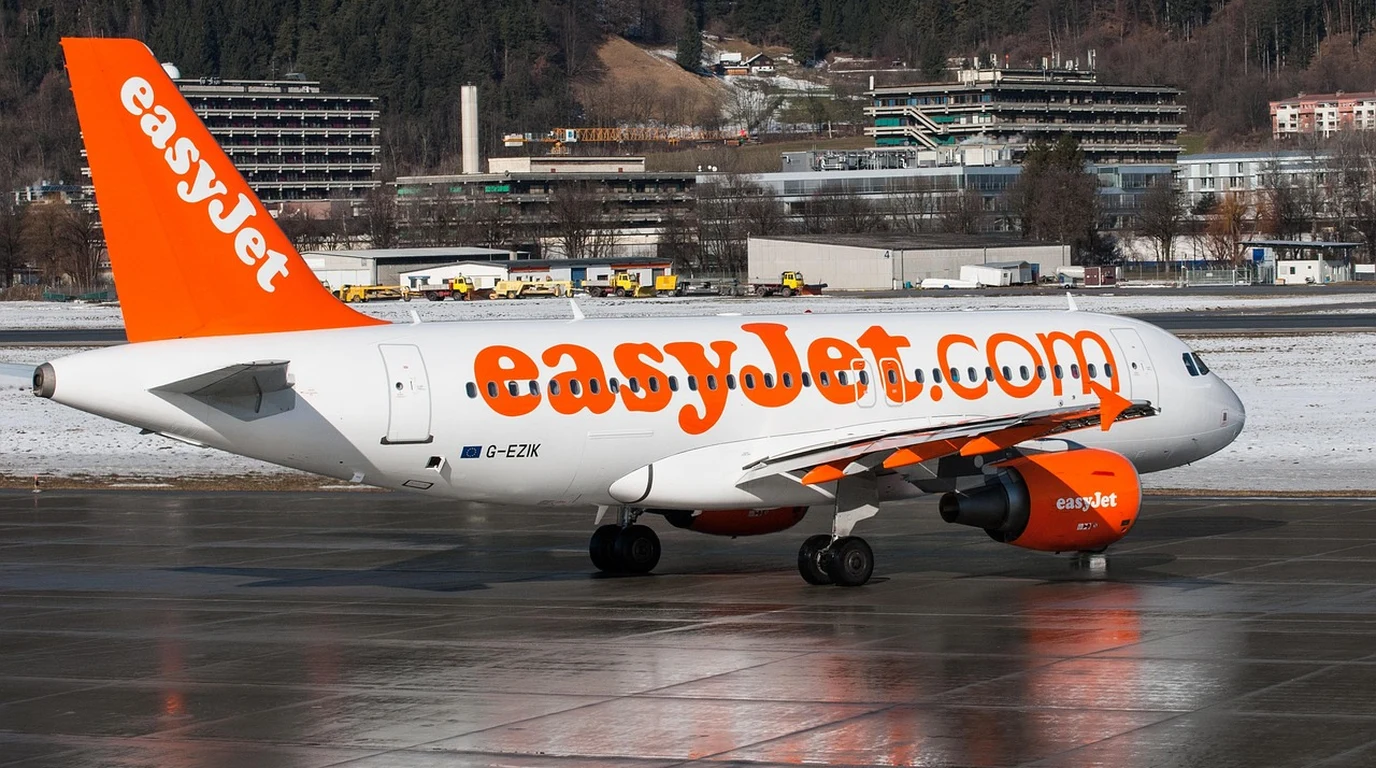
Few passenger experiences in modern commercial aviation match the acute psychological distress and physical misery of being trapped on an airport tarmac inside a sealed aircraft cabin. Passengers buckle their seatbelts, the cabin doors seal shut, the jet bridge retracts, and the aircraft pushes back from the gate—only to enter an indefinite ground hold. Minutes turn into hours. Air quality inside the cabin deteriorates, lavatories reach holding tank capacity or run out of water, passengers with diabetes or mobility challenges exhaust their medication, infants run out of formula, and flight crews offer evasive, repetitive announcements regarding air traffic control holds, de-icing queues, or ground ground crew shortages.
In Canada, where severe winter weather events regularly impact major hubs such as Toronto Pearson (YYZ), Montreal Trudeau (YUL), Vancouver (YVR), and Calgary (YYC), prolonged tarmac delays are an endemic operational failure. For years, Canadian airlines treated trapped passengers as captive cargo, operating with virtually zero regulatory accountability. However, under the Air Passenger Protection Regulations (APPR), administered by the Canadian Transportation Agency (CTA), Canadian law establishes explicit statutory passenger rights, mandatory disembarkation timelines, and enforceable carrier obligations during tarmac delays.
What Are the Legal Rights and Rules for Airport Tarmac Delays in Canada?
The 3-hour tarmac delay rule under the APPR is not an airline guideline or optional best practice; it is a federal statutory requirement codified under Canadian transportation law. If an aircraft remains on the tarmac for 3 hours after the cabin doors have closed for departure, or 3 hours after landing without an open gate, the airline is legally required to provide passengers with an opportunity to disembark, subject to strict and narrow safety exceptions.
Despite this clear federal regulation, Canadian airlines routinely violate the 3-hour limit, citing de-icing congestion, lack of available gate tugs, or conflicting air traffic control advisories. Knowing your legal protections, the difference between the 45-minute departure extension and unlawful entrapment, and how tarmac delays intersect with APPR cash compensation of up to $1,000 is vital for every Canadian traveler.
Mandatory In-Cabin Amenities During Tarmac Delays
The APPR explicitly recognizes that passengers cannot simply exit an aircraft on an active taxiway. Because passengers are entirely dependent on the carrier for basic physiological needs, Section 8(1) of the regulations mandates that during any tarmac delay—regardless of the duration—the operating airline must provide the following standards of treatment free of charge:
- Access to Working Lavatories: The carrier must maintain fully operational and clean lavatory facilities. If lavatory tanks reach capacity or flush mechanisms fail, the aircraft must return to the gate immediately.
- Adequate Heating and Cooling Ventilation: The aircraft environmental control system (ECS) or auxiliary power unit (APU) must maintain comfortable and safe cabin air temperature and continuous fresh air circulation. Trapping passengers in a sweltering or freezing cabin is a direct safety and regulatory breach.
- Food and Potable Drinking Water in Reasonable Quantities: The airline must distribute drinking water and food snacks within a reasonable timeframe once the delay begins. Airlines cannot hoard catering carts or charge passengers for bottled water during tarmac holds.
- Access to Urgent Medical Attention: If any passenger experiences acute medical distress, breathing difficulties, severe anxiety, or diabetic hypoglycemia, the pilot-in-command is legally obligated to coordinate immediate return to a gate or deploy mobile emergency medical stairs.
- Complimentary Communication Ability: When feasible, airlines must permit passengers to use mobile phones and personal communication devices to communicate with family members, employers, or emergency contacts.
The 3-Hour Disembarkation Mandate vs. The 45-Minute Takeoff Extension
The operational core of Canada’s tarmac delay framework is the statutory 3-hour disembarkation trigger. However, airlines frequently exploit a statutory loophole embedded in Section 8(2) of the APPR—the 45-minute extension rule. The comprehensive table below details how the timeline operates in practice, contrasting legal carrier obligations against real-world airline avoidance tactics:
| Tarmac Delay Phase | Statutory Carrier Obligation | Permissible Airline Exceptions | Common Airline Defense / Trap | Passenger Enforcement Action |
|---|---|---|---|---|
| Minute 0 to Minute 60 | Ensure cabin ventilation and lavatory access | Routine taxiing, runway sequencing | Announcing false departure estimates to discourage disembarkation | Log exact door closure time; monitor flight tracking apps for slot times |
| Minute 60 to Minute 180 (3 Hours) | Provide free food, water, and allow phone communication | Active de-icing bay queues or ATC ground stop holds | Claiming catering carts are locked or flight attendants cannot walk cabin | Formally request water and snacks from in-charge flight attendant; document cabin temperature |
| Hour 3:00 (The Mandatory Gate Return) | Must initiate return to gate or disembarkation area immediately | Takeoff will occur within next 45 minutes; OR safety/security prevents gate return | Claiming “we are number 3 in line for de-icing” when airport slot is hours away | Remind crew of Section 8 APPR disembarkation mandate; note exact elapsed time |
| Hour 3:45 (The Hard Limit) | Aircraft MUST return to gate if takeoff did not occur; no further extensions permitted | Strictly active runway clearing or severe emergency safety command from airport authority | Blaming airport authority or lack of ground staff while aircraft sits at 4+ hours | Collect witness statements, record video evidence of flight deck announcements, file CTA complaint |
The 45-Minute Takeoff Exception: How Carriers Exploit It
Section 8(2) of the APPR contains a critical conditional clause: An airline is not required to return to the gate at the 3-hour mark if the pilot has reasonable grounds to believe that takeoff is imminent—specifically that takeoff will occur no later than 45 minutes after the 3-hour threshold has elapsed (i.e., by hour 3:45).
In practice, airline dispatchers and flight crews frequently abuse this exception. When 3 hours pass, pilots often broadcast announcements stating: “Folks, air traffic control tells us we should be rolling down the runway within 30 to 40 minutes, so we are going to maintain our spot in line.” Yet when that 45 minutes expires without departure, the aircraft remains stranded on the taxiway for another two to four hours. Under the CTA’s legal interpretation, if takeoff does not occur by 3 hours and 45 minutes, the carrier is in direct contravention of the APPR unless returning to the gate is physically impossible due to air traffic control safety directions or severe environmental hazards (such as active lightning or ramp ice conditions that prevent ground handlers from operating).
APPR Compensation: How Tarmac Delays Multiply Cash Payouts
A common misconception among travelers is that tarmac delays only entitle passengers to disembarkation. In reality, a tarmac delay is part of the overall flight delay calculus under the APPR. When an aircraft is delayed on the tarmac, the ultimate arrival time at the destination is pushed back accordingly.
Under Section 19 of the APPR, when a flight arrives at the final destination delayed by three hours or more, large airlines (such as Air Canada, WestJet, Porter, and Air Transat) are obligated to pay mandatory cash compensation for passenger inconvenience, provided the delay was within the carrier’s control and not required for safety purposes:
- 3 to 6 Hours Arrival Delay: $400 CAD per passenger
- 6 to 9 Hours Arrival Delay: $700 CAD per passenger
- 9+ Hours Arrival Delay: $1,000 CAD per passenger
- Small Carriers (e.g., Flair, Sunwing): $125 (3-6h), $250 (6-9h), $500 (9+h)
Airlines frequently attempt to deny tarmac delay compensation by claiming that winter weather or de-icing queues represent an “outside carrier control” event. However, CTA case law and federal court rulings have established that if a carrier delayed pushback due to insufficient ground crew, crew scheduling timeouts, or corporate fleet maintenance before encountering airport congestion, the proximate cause of the tarmac delay remains within the airline’s control.
For more forensic passenger rights analysis on flight disruptions, denied boarding, and airline baggage liabilities, explore our published investigations on Flight Cancelled for Crew Shortage? Your APPR Rights, Denied Flight Boarding in Canada: APPR Cash Rights, and Child Seat Fees on Canadian Airlines: APPR CTA Rules.
What Happens If You Disembark at the Gate?
When an aircraft finally returns to the gate at the 3-hour mark to offer disembarkation, passengers face a high-stakes decision. Flight attendants typically announce: “If you choose to leave the aircraft, you are voluntarily terminating your journey, we will not offload your checked bags, and you must rebook your own flight at your own expense.”
This intimidation tactic is designed to dissuade passengers from exiting. Under Canadian aviation law, if an airline returns to the gate due to a prolonged tarmac delay, you have the right to disembark. If the flight subsequently departs without you because you exercised your right to exit an unsafe or intolerable aircraft cabin, the airline is still legally obligated to complete your itinerary on the next available flight or provide a full refund of the unused ticket balance under the carrier’s international or domestic tariff.
Do not suffer in silence during a prolonged tarmac delay. Canadian law recognizes passenger dignity. The moment the clock crosses 90 minutes on the tarmac, politely but firmly demand that the crew distribute drinking water and clarify the departure sequencing. Document everything: time-stamped photos of the cabin, video recordings of captain announcements, and screenshots of live flight radar positions. If the carrier breaches the 3-hour rule without imminent departure, file a formal complaint with the Canadian Transportation Agency (CTA) seeking administrative monetary penalties against the carrier alongside your statutory cash compensation claim.
The 4:00 PM Actionable Playbook: Surviving & Enforcing Tarmac Delay Claims
- Establish the Exact Tarmac Timeline: Record the precise minute the cabin door closed and pushback commenced. Take a photo of your watch or smartphone lock screen inside the cabin.
- Monitor Flightradar24 / FlightAware: Track your aircraft’s transponder status. Are you actually queued for departure, or is your aircraft holding stationary in a penalty box due to lack of an airport slot?
- Formally Request Water and Food at the 60-Minute Mark: If flight attendants have not offered water after one hour of stationary ground delay, press the call button and cite Section 8(1) of the APPR. Document any refusal to serve refreshments.
- Challenge the 45-Minute Takeoff Extension at Hour 3: When the delay reaches 3 hours, note whether the captain provides a specific, confirmed takeoff time. If the captain merely gives vague generalities (“we hope to move soon”), remind the crew that the APPR requires immediate gate return.
- Document Physical and Sanitation Conditions: If lavatories become unusable, toilet paper runs out, or the cabin becomes excessively hot or cold, capture video evidence. Passenger health and sanitation violations carry heavy regulatory fines.
- Submit APPR Cash Claims Within 30 Days: Once you reach your destination (or return home), calculate your total arrival delay. Submit a formal compensation claim through the airline’s website for up to $1,000 CAD per passenger.
- Escalate Unresolved Violations to the CTA: If the airline denies your claim, falsely blames weather when ground handling failed, or fails to respond within 30 days, file an online dispute with the Canadian Transportation Agency and request enforcement penalties for tarmac entrapment.