
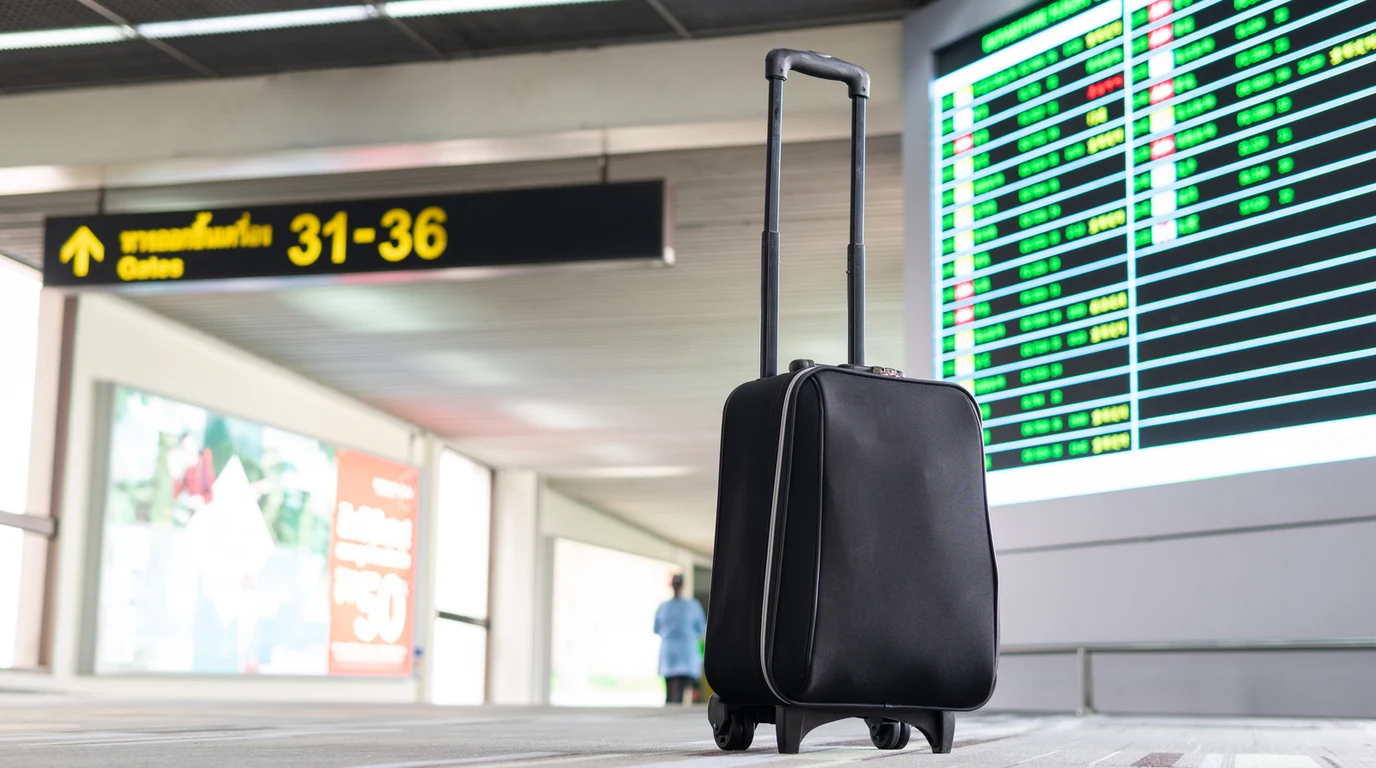
Every single week across Canadian airports—from the bustling departure gates of Toronto Pearson and Vancouver International to snowy tarmacs in Calgary, Montreal, and Halifax—thousands of exhausted passengers find themselves stranded by rolling flight delays and sudden cancellations. When travelers finally reach the customer service desk after hours of waiting, airline gate agents routinely hand out meager $15 airport food vouchers, murmur vague explanations about “crew availability” or “unscheduled mechanical maintenance,” and tell passengers they are not entitled to monetary compensation. This routine corporate deflection saves commercial carriers tens of millions of dollars each year at the direct expense of Canadian consumers. Under federal law, you are not at the mercy of discretionary airline goodwill. The Air Passenger Protection Regulations (APPR), administered by the Canadian Transportation Agency (CTA) under the Canada Transportation Act, establish mandatory statutory cash compensation of up to $1,000 for delayed or cancelled flights. Furthermore, airlines are legally prohibited from forcing travel vouchers on passengers when cash compensation is owed. Here is Connor Hayes’s definitive legal analysis of Canadian flight delay cash compensation, airline excuse debunking, cash payout mechanics, and how to hold carriers accountable.
How Much Cash Can You Legally Claim for Flight Delays in Canada?
The legal foundation for passenger compensation in Canada is codified under Part II of the Air Passenger Protection Regulations (SOR/2019-150). Unlike voluntary customer goodwill credits or airline miles, APPR cash compensation is a statutory liability imposed on commercial carriers operating domestic or international flights departing from or arriving in Canada.
The compensation clock is measured strictly by arrival time at your final destination, not departure delay. If your departure from Montreal is delayed by three hours, but the pilot makes up time in the air and you touch down at your destination two hours and forty-five minutes late, you do not meet the minimum three-hour statutory threshold. However, if a one-hour departure delay in Ottawa causes you to miss a connecting flight in Toronto, pushing your final arrival in Vancouver back by ten hours, your statutory cash entitlement is calculated based on the full ten-hour delay at your destination—qualifying you for the maximum $1,000 cash payout.
Furthermore, air carriers are bifurcated under federal law into two operational tiers: Large Airlines (carriers that transported at least two million passengers in each of the two preceding calendar years, including Air Canada, WestJet, Sunwing, and Air Transat) and Small Airlines (all other carriers, including Porter Airlines, Flair Airlines, and regional carriers). Compensation scales accordingly based on carrier size.
APPR Flight Delay Compensation Matrix: Legal Payout Tiers
The table below provides a forensic statutory breakdown of Canadian flight delay cash compensation schedules, carrier classifications, and mandatory standards of treatment under federal law.
| Delay Duration at Final Destination | Large Airline Payout (Air Canada, WestJet) | Small Airline Payout (Porter, Flair) | Mandatory Food & Drink Duty of Care | Mandatory Hotel Accommodation |
|---|---|---|---|---|
| 3 to 5 Hours, 59 Minutes | $400 Cash | $125 Cash | Mandatory at 2 hours delay (reasonable food/drink) | Not required unless delay spans overnight |
| 6 to 8 Hours, 59 Minutes | $700 Cash | $250 Cash | Mandatory free Wi-Fi or phone access + meals | Not required unless delay spans overnight |
| 9 Hours or Greater | $1,000 Cash | $500 Cash | Continuous meal vouchers every meal window | Free hotel room + free roundtrip transit |
| Flight Cancelled (Alternate flight refused) | Full Ticket Refund + $400 Cash | Full Ticket Refund + $125 Cash | Immediate meal vouchers prior to airport departure | Hotel accommodation if stranded away from home |
The Three Disruption Categories: Debunking Corporate Excuses
The central battlefield in Canadian aviation law surrounds the categorization of flight delays. Under APPR Section 10, all flight disruptions are legally divided into three distinct operational buckets:
- Within Airline Control (Full Cash Compensation Owed): Disruptions caused by commercial scheduling decisions, corporate IT software outages, crew scheduling errors, flight overbooking, or preventative aircraft cleaning. Airlines are legally obligated to pay the full statutory cash compensation outlined above, plus deliver complete duty-of-care standards (meals, hotel rooms, and rebooking).
- Within Airline Control but Required for Safety (Zero Cash, Full Duty of Care Owed): Disruptions caused by unexpected mechanical faults discovered during pre-flight checks, bird strikes, or critical safety equipment malfunctions. In this category, airlines are exempt from paying cash compensation, but they remain 100% legally obligated to provide free meals, refreshments, free hotel accommodation for overnight delays, and immediate rebooking within 48 hours on their own network or a competitor’s flight!
- Outside Airline Control (Zero Cash, Limited Duty of Care): Disruptions caused by severe weather events (blizzards, hurricanes, zero-visibility fog), air traffic control ground stops, medical emergencies, airport security breaches, or natural disasters. Under this category, cash compensation is not owed, but the airline must rebook the passenger on the next available flight within 48 hours or issue a full cash refund for unused ticket portions.
For years, major carriers exploited the “safety” category by labeling almost every delay—including routine staffing shortages and standard wear-and-tear maintenance—as an exempt safety issue. However, landmark decisions by the Federal Court of Appeal (including International Air Transport Association v. Canadian Transportation Agency) and enforcement rulings by the CTA have firmly established that general crew shortages and routine maintenance are within carrier control. If an airline failed to schedule adequate reserve pilots or delayed an inspection, that is operational mismanagement, not an unforeseeable safety exemption. Consumers should vigorously challenge any airline claim attributing a staffing delay to “safety.”
Cash vs. Vouchers: Your Legal Right to Direct Payment
When an airline finally approves a delay claim, their standard operating procedure is to email the customer a digital voucher code offering “$400 Travel Bank Credit” or “50,000 Loyalty Points,” subtly hoping the passenger accepts the restrictive coupon. Under Section 19(4) of the APPR, this practice is heavily regulated:
- Cash Is Mandatory by Default: Airlines must issue compensation in cash, cheque, bank draft, or electronic bank transfer (Interac e-Transfer). You are under zero obligation to accept travel vouchers or airline points.
- Higher Value Required for Vouchers: An airline may offer you an alternative form of compensation (such as flight credits or vouchers) only if: (1) the voucher carries a higher monetary value than the statutory cash entitlement, (2) the voucher does not expire, and (3) the airline explicitly discloses the passenger’s right to receive cash in writing before obtaining the passenger’s written agreement.
If an airline deposits a travel credit into your online account without your explicit written consent, immediately reply in writing stating that you reject the credit and demand full statutory compensation via Interac e-Transfer or direct bank deposit pursuant to APPR Section 19(4).
Remember also that APPR cash compensation is entirely distinct from credit card travel insurance. If you hold a premium Canadian credit card, you can simultaneously claim credit card travel insurance for flight delays to reimburse your out-of-pocket hotel and dining receipts while collecting your statutory $1,000 cash from the airline!
Connor Hayes’s Step-by-Step Flight Delay Compensation Playbook
If your flight is delayed or cancelled in Canada, execute this exact tactical roadmap to secure your cash payout:
- Document Official Arrival Time on the Tarmac: The legal delay clock ends the exact moment the aircraft cabin door is opened at the arrival gate at your final destination. Immediately take a timestamped smartphone photo or screenshot of your phone’s clock the moment the gate door opens.
- Obtain the Written Delay Reason Code Before Leaving the Airport: Approach the gate agent or airline customer assistance desk and demand a printed Flight Delay Information Statement or reason code. Alternatively, screenshot all SMS text notifications and emails from the airline stating the initial reason for the delay. Airlines frequently alter their internal reason codes from “crew shortage” to “weather” days later to escape liability.
- Submit Formal APPR Claim Within One Year: Under federal law, passengers have one year from the date of the flight to file a written compensation claim with the airline. Submit your claim directly through the airline’s dedicated online APPR claim portal (Air Canada, WestJet, or Porter). Include your booking reference (PNR), ticket number, boarding passes, and documented arrival time.
- Track the Airline’s Mandatory 30-Day Response Clock: Under APPR Section 19(4), the airline has exactly 30 calendar days to either pay you your statutory cash compensation or provide detailed written reasons explaining why compensation is not owed. If the carrier fails to respond within 30 days, they are in direct violation of federal regulations.
- Escalate to CTA or Provincial Small Claims Court: If the airline wrongfully denies your claim or fails to pay, file a formal complaint with the Canadian Transportation Agency (CTA) at otc-cta.gc.ca. Because the CTA maintains an extensive case backlog, many informed consumers opt to file in their provincial Small Claims Court (or Ontario Small Claims Court / BC Civil Resolution Tribunal), where claims under $5,000 are resolved rapidly and airlines frequently settle within weeks.