
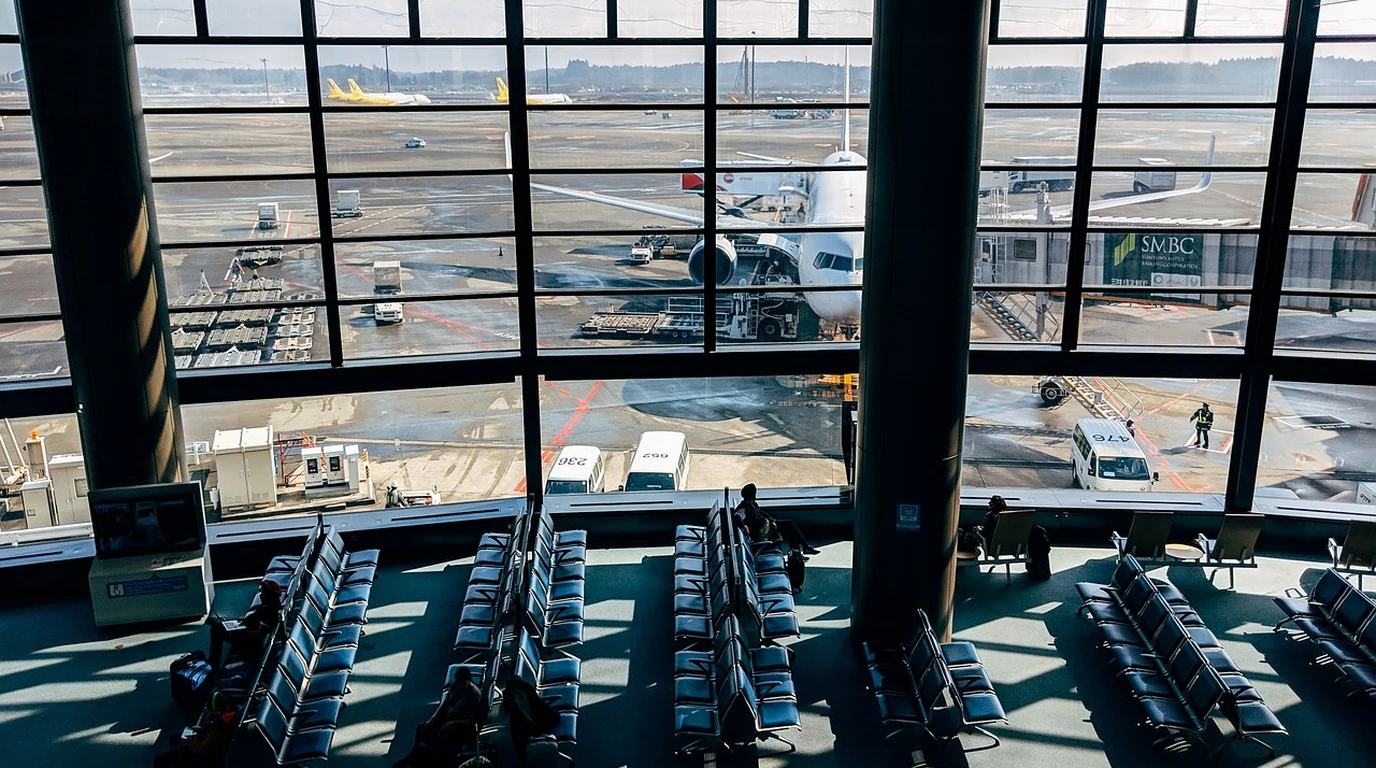
You’re sitting in seat 14F, the engines are humming at a low idle, and you haven’t moved an inch in two hours. The initial announcement about a “minor gate congestion” has long since expired, replaced by a heavy, frustrated silence in the cabin. You look at your watch, then at the closed cabin door, and you start to feel that rising heat of being trapped. We’ve all been there—stuck in a metal tube on a Canadian runway, watching the minutes tick toward a missed connection or a ruined first night of vacation.
The anxiety isn’t just about the time lost; it’s about the loss of agency. You can’t just open the door and walk to the terminal. You are, for all intents and purposes, under the total control of the carrier. But here is what I want you to hold onto while you’re sitting there: the law in Canada has changed significantly to ensure you aren’t treated like cargo. Under the Air Passenger Protection Regulations (APPR), you have a “bill of rights” that triggers at specific intervals. You aren’t just a passenger; you are a protected consumer with a legal right to dignity, hydration, and—eventually—the right to get off that plane.
Direct Practical Verdict:
In Canada, airlines must allow you to disembark once a tarmac delay hits 3 hours. If takeoff is certain within an additional 45 minutes, they may extend the wait to 3 hours and 45 minutes. Throughout the delay, the airline is legally required to provide food, water, working lavatories, and proper ventilation.
What exactly counts as a “tarmac delay” under Canadian law?
Before we dive into your rights, we need to define the battlefield. A tarmac delay isn’t just any delay. It specifically refers to the period starting when the aircraft doors are closed for take-off or when the aircraft has landed and is waiting to reach a gate. If you are sitting in the departure lounge and the flight is delayed, those are standard flight delay rules. The “3-hour clock” we’re discussing only starts ticking when you are physically on the plane and the doors are shut. I’ve seen many passengers get confused by the “pushback” time. The clock doesn’t necessarily start when the plane moves; it starts when you are no longer able to exit the aircraft freely. In Canada, these rules apply to all flights to, from, and within the country, including connecting flights. Whether you are flying a major carrier like Air Canada or WestJet, or a smaller regional hopper, the fundamental protections regarding your physical well-being on that tarmac remain non-negotiable. The reason these regulations exist is rooted in some truly horrific stories from the mid-2010s—passengers trapped for six or seven hours without air conditioning or working toilets. The Canadian Transportation Agency (CTA) stepped in to create a floor of decency. When you are on that tarmac, the airline’s primary obligation shifts from “transportation” to “human maintenance.”Does the airline have to let me off the plane after 3 hours?
This is the “Golden Rule” of Canadian aviation. Once that 3-hour mark hits, the airline is legally obligated to return to the gate and let you off. However—and this is the nuance that catches people off guard—there is a “grace period.” If the pilot receives word that takeoff is “imminent” and the plane can realistically be in the air within 45 minutes of that 3-hour mark, they are allowed to stay on the tarmac. This means the absolute maximum you should ever be held on a Canadian tarmac is 3 hours and 45 minutes. If, at the 3-hour-and-46-minute mark, the wheels aren’t off the ground, the airline has violated federal regulations unless there are specific safety, security, or air traffic control reasons that make returning to the gate impossible. I often tell my clients to keep a “log of the 180.” At 180 minutes, you should be seeing movement toward a gate or hearing a very specific announcement about an imminent takeoff. If the pilot says, “We hope to be moving in 20 minutes,” that is not a guarantee of takeoff. “Imminent” is a high legal bar. If they keep you for 3 hours and 50 minutes and then return to the gate anyway, they have breached the APPR, and you likely have grounds for a formal complaint.What are my rights to food, water, and basic comfort while waiting?
You don’t have to wait three hours for the airline to start treating you like a human being. The APPR mandates “standards of treatment” that begin the moment the delay starts. You shouldn’t have to beg for a cup of water or feel like you’re being a nuisance for asking to use the restroom. The airline must provide four specific things during a tarmac delay, regardless of the reason for the delay (even if it’s a blizzard or a lightning strike): 1. Communication: They must provide updates every 30 minutes. This isn’t just a courtesy; it’s a requirement. They need to tell you what they know about the status of the delay. 2. The Essentials: Access to working lavatories is mandatory. If the toilets are broken, the plane shouldn’t be on the tarmac. 3. Climate Control: They must maintain a comfortable cabin temperature. If the cabin is sweltering or freezing because the APU (Auxiliary Power Unit) isn’t working, they are in violation. 4. Food and Drink: They must provide “adequate” food and water. Now, “adequate” doesn’t mean a hot meal. It usually means water and a snack (like granola bars or pretzels). However, it must be provided in reasonable quantities considering the length of the delay.The “Costly Trap”: What most passengers get wrong about compensation
Here is where I need to be the “mentor having coffee” with you and give you the cold truth. A tarmac delay of 3 hours does not automatically trigger the $1,000 CAD compensation you might have read about online. Compensation in Canada is tied to the total arrival delay at your final destination and the reason for that delay. If you sit on the tarmac for 3 hours, but the pilot eventually takes off and you arrive at your destination 3 hours and 5 minutes late, you might be eligible for compensation—but only if the delay was “within the carrier’s control” and not “required for safety.” The “trap” is focusing so much on the cash that you forget to document the treatment violations. If the airline kept you for 4 hours (a violation of the 3-hour rule) and refused to give you water, you have a claim based on a violation of the APPR standards of treatment, which is a different legal path than a simple “late arrival” claim.| Time Elapsed | Mandatory Service | Disembarkation Right | Airline Justification Needed? |
|---|---|---|---|
| 0 – 2 Hours | Water, snacks, working toilets, HVAC. | None (Standard delay). | No, but must update every 30 mins. |
| 3 Hours (180 mins) | Full access to medical care if needed. | Mandatory return to gate. | Yes, must return unless takeoff is imminent. |
| 3h 45m (Max Cap) | Continued food/water/safety. | Absolute right to disembark. | Safety/Security are the only exceptions. |
| Post-Disembarkation | Rebooking or Refund options. | N/A (Already off plane). | Must provide alternate travel ASAP. |
The Actionable Playbook: What to do when you’re stuck
If you find yourself in the middle of a prolonged tarmac delay, you need to stop being a passive observer and start being a “documented passenger.” Here is your step-by-step implementation guide to ensuring your rights are respected and your future claim is airtight. 1. Start the “Evidence Log” at 60 Minutes: Open the Notes app on your phone. Record the time the doors closed, the time the plane pushed back (if it did), and the time of every pilot announcement. If the pilot says, “We’re waiting on a fuel truck,” write it down. This “reason” is critical for later compensation claims. 2. Request the “Four Pillars” Early: Don’t wait until you’re dehydrated. At the 90-minute mark, if water hasn’t been offered, press the call button. Politely remind the flight attendant: “Under the APPR, we are entitled to drinking water during a tarmac delay. Could you please provide some?” Being polite but using the term “APPR” signals that you know your rights. 3. Monitor the Cabin Environment: If it starts getting uncomfortably hot or cold, or if you notice the lavatories are being locked or are overflowing, take a photo or video (discreetly). The airline’s failure to maintain “standards of treatment” is a regulatory violation that carries heavy fines for them, even if you don’t get a direct payout. 4. The 3-Hour Ultimatum: When the clock hits 2 hours and 45 minutes, and there is no sign of movement, you can ask the crew: “We are approaching the 3-hour tarmac limit. Is the pilot planning to return to the gate or is takeoff confirmed within the 45-minute extension window?” This puts them on notice that the passengers are tracking the clock. 5. Document the Disembarkation Process: If they do return to the gate, note the time you were actually allowed to step off the plane. If they “return to the gate” but keep the doors closed for another hour, you haven’t disembarked. You are only “disembarked” when you have the opportunity to leave the aircraft. 6. The 24-Hour Follow-Up: Once you are off the plane and have reached your destination (or home), send a brief email to the airline’s customer service. State the flight number, the duration of the tarmac delay, and any failures in the “standards of treatment” (e.g., “No food was provided during the 3.5-hour delay”). This creates a paper trail that is essential if you eventually need to escalate to the Canadian Transportation Agency (CTA).How do I file a claim for a tarmac delay violation in Canada?
If the airline kept you on the tarmac for over 3 hours and 45 minutes, or if they failed to provide the mandatory food/water/toilets, you have a right to recourse. First, you must file a formal claim with the airline directly. They have 30 days to respond. In your claim, don’t just ask for “money.” Be specific. “The carrier violated Section 8 of the APPR by failing to provide disembarkation after 3 hours and failing to provide adequate food/water.” If the airline denies your claim or gives you a generic “weather-related” excuse that doesn’t address the tarmac delay specifically, your next stop is the Canadian Transportation Agency (CTA). The CTA is the regulator that enforces these rules. While their backlog can be long, filing a complaint is free and it holds the airline accountable. Remember, the airline might not owe you $1,000 for the wait itself, but if that tarmac delay caused you to arrive at your final destination more than 3, 6, or 9 hours late, you are entitled to standard APPR compensation ($400, $700, or $1,000 respectively for large carriers) unless the delay was for safety or outside their control. And here is the kicker: a tarmac delay caused by “crew scheduling” or “lack of a gate” is within their control.Frequently Asked Questions
Can the airline refuse to let me off if I have a medical emergency during a tarmac delay? No. The APPR specifically mandates that airlines must provide access to medical assistance. If a passenger is in distress, the pilot must prioritize that emergency, which almost always involves returning to the gate or summoning emergency services to the aircraft immediately. What counts as “adequate food” during a Canadian tarmac delay? The law doesn’t require a hot meal. “Adequate” is interpreted as snacks or light meals that are sufficient to sustain passengers given the duration of the delay. However, if the delay occurs during a normal mealtime, the expectation for “adequacy” is higher than if it occurs at 2:00 AM. Does the 3-hour rule apply if we are stuck on the tarmac after landing? Yes. The rule applies to both departures and arrivals. If you land and the airline can’t find a gate for 3 hours, they must find a way to let you disembark, whether that’s at a different gate, via stairs on the tarmac and a shuttle bus, or by returning to a remote stand. What if the pilot says it’s unsafe to return to the gate? Safety is the ultimate trump card. If there is active lightning, extreme ice, or a security threat that makes moving the plane or opening the doors dangerous, the 3-hour rule is temporarily suspended until it is safe to proceed. However, “gate congestion” is not a safety issue.
Canadian Airline Tarmac Delays: 3-Hour Passenger Rights
Statutory consumer protections govern both retail consumer goods and commercial airline operations. Explore our passenger compensation guide on Extended Warranty Laws in Canada: Legal Warranty Rights.