
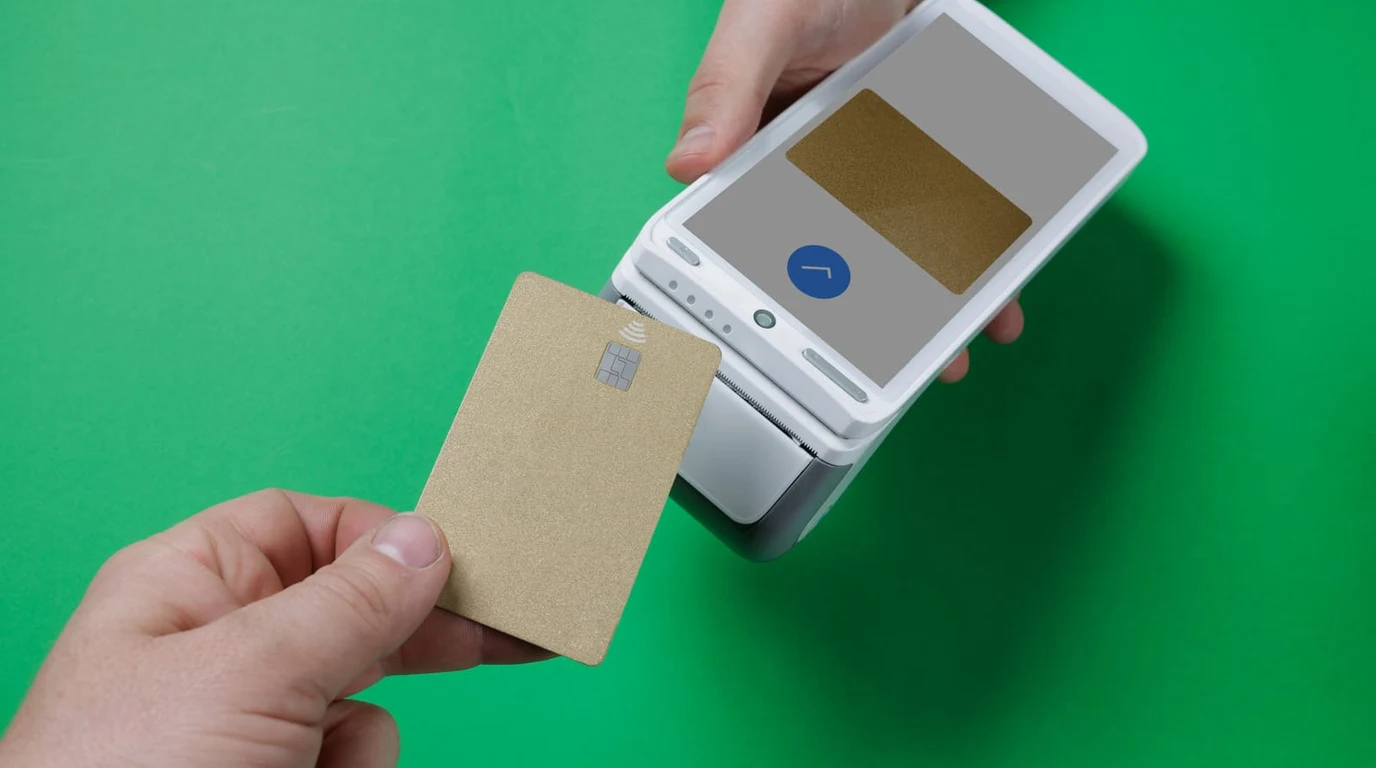
You’re standing at the counter of your favorite local hardware store or sitting at a bistro table, and as you reach for your wallet, you notice a small, perhaps slightly defensive sign taped to the card terminal: “A 2.4% surcharge applies to all credit card transactions.”
It feels like a punch to the gut, doesn’t it? For decades, the “cost of doing business” was baked into the sticker price. Now, that transparency is fracturing. You feel a mix of frustration and confusion—is this even legal? Didn’t we already pay enough in annual fees and interest? I’ve spent years dissecting the mechanics of Canadian consumer finance, and I can tell you that this shift isn’t just a minor annoyance; it’s a fundamental change in the Canadian retail landscape triggered by a multi-billion dollar legal settlement.
The anxiety you feel at the checkout isn’t just about the two or three dollars extra; it’s about the feeling of being nickel-and-dimed in an economy that already feels stretched thin. But here is the good news: while merchants now have the right to pass these costs on to you, they are bound by a very tight, very specific set of legal guardrails. If they step outside those lines, they aren’t just being “difficult”—they are in violation of their merchant agreements and, in some provinces, the law.
Direct Practical Verdict:
In Canada, merchants can legally surcharge Visa and Mastercard transactions up to a hard cap of 2.4% or their actual cost of acceptance, whichever is lower. This fee is strictly prohibited on Interac debit transactions and is entirely illegal in Quebec. Merchants must provide clear signage at the entrance and point of sale.
Why are Canadian businesses suddenly allowed to charge extra for credit cards?
For years, Visa and Mastercard operated under “no-surcharge” rules. If a merchant wanted to accept these cards, they had to agree never to charge the customer more than the advertised price. The merchants hated this because every time you tapped your premium “Infinite” or “World Elite” card, the bank took a cut—often between 1.5% and 2.5%—known as the interchange fee. After a massive class-action lawsuit that spanned years, a settlement was reached in 2022. This settlement effectively stripped away the “no-surcharge” rule, giving small and medium-sized businesses the power to pass that interchange fee directly to you. However, this wasn’t a “wild west” decree. The settlement came with strings attached. The goal was to provide relief to merchants without allowing them to turn credit card fees into a new profit center. This is the first nuance you need to grasp: a merchant cannot make money off the surcharge. If it costs them 1.5% to process your card, they cannot charge you 2.4%. They can only recoup their “actual cost of acceptance.”What is the legal maximum a merchant can charge you in Canada?
The “2.4% cap” is the number you’ll see most often, but it is frequently misunderstood. Think of 2.4% as the ceiling of a room. No matter how expensive a merchant’s processing fees are, they cannot legally charge you more than 2.4%. But there’s a second, lower ceiling for many businesses. If a discount grocer has negotiated a processing rate of 1.2%, their legal surcharge cap for your transaction is 1.2%. If they charge you 2.4%, they are pocketing a 1.2% profit on the fee itself, which is a direct violation of the settlement terms. This creates a massive transparency gap. As a consumer, you don’t know what the merchant’s private contract with their processor looks like. This is why the disclosure rules—which we will get into shortly—are so vital. You have the right to see exactly what you are being charged, and it must be presented as a separate line item.Can a business charge a fee for debit cards in Canada?
This is the most common “trap” I see consumers fall into. You go to a convenience store, buy a jug of milk, and the clerk says, “Fifty cents extra for using the machine.” If you are using a debit card (Interac), this is strictly prohibited. The class-action settlement and the subsequent rule changes apply only to credit cards—specifically Visa and Mastercard. Interac is a separate network with different rules. While a merchant can set a minimum purchase amount for credit cards (though this is also discouraged by networks), or choose not to accept cards at all, they cannot add a percentage-based or flat-fee surcharge to an Interac debit transaction. If you see a “debit fee,” you are looking at a merchant who is either misinformed or willfully breaking their agreement with Interac.Is it legal to charge credit card surcharges in Quebec?
If you are reading this in Montreal, Quebec City, or anywhere else in La Belle Province, the rules are much simpler: No. Quebec’s Consumer Protection Act (specifically Section 12) is one of the most robust pieces of consumer legislation in North America. It mandates that the price advertised must include all costs except for sales taxes (GST/QST). Because the provincial law supersedes the private settlement between the credit card networks and merchants, businesses in Quebec are prohibited from adding a surcharge at the checkout. If a merchant in Quebec tries to add a 2.4% fee to your bill, they aren’t just violating a merchant agreement; they are violating provincial law. This creates a unique “two-tier” consumer experience in Canada where your rights change the moment you cross the border from Ontario or New Brunswick into Quebec.| Feature / Rule | Visa & Mastercard | Interac (Debit) | Quebec Residents | Rest of Canada |
|---|---|---|---|---|
| Surcharge Allowed? | Yes (with limits) | Strictly No | Strictly No | Yes |
| Maximum Cap | 2.4% (Hard Limit) | 0% | 0% | 2.4% |
| Signage Required? | Yes (Entry & POS) | N/A | N/A | Yes |
| Receipt Disclosure | Separate Line Item | N/A | N/A | Mandatory |
| Profit Allowed? | No (Cost recovery only) | No | No | No |
How do I know if a surcharge is legal or a scam?
The “Costly Trap” for most consumers is simply not knowing what to look for until after they’ve tapped their card. To be compliant with the new regulations, a merchant must follow a strict “Three Pillars of Disclosure” protocol. If any of these are missing, the surcharge is likely non-compliant. 1. The Entrance Sign: You shouldn’t find out about a surcharge at the terminal. Merchants are required to post a notice at the entrance of the store (or on the homepage of an e-commerce site) stating that a surcharge applies. 2. The Point of Sale (POS) Sign: There must be a second notice at the actual place where the transaction happens—the cash register or the checkout page. This notice must clearly state the percentage of the surcharge. 3. The Receipt Requirement: The surcharge cannot be “baked into” the price of the items on your receipt. It must appear as a distinct line item, clearly labeled (e.g., “Credit Card Surcharge”). This allows you to verify that the math actually works out to the advertised percentage. If a merchant tells you “it’s just an extra dollar” for using a credit card on a $20 purchase, they are charging you 5%. That is more than double the legal cap of 2.4%. This is where many small businesses get into trouble—they attempt to use flat fees to cover their costs, which almost always results in an overcharge on smaller transactions.The Actionable Playbook: What to do if you are overcharged
I want you to feel empowered the next time you see that surcharge notice. You don’t have to be confrontational, but you should be informed. Here is your step-by-step implementation playbook for handling credit card surcharges in the wild. 1. The “Switch to Debit” Maneuver: Before you even process the payment, if you see a surcharge sign, ask the clerk: “Does this apply to debit as well?” If they say yes, politely inform them that surcharging Interac is not permitted under Canadian merchant rules. If you have the option, switching to debit immediately saves you the 2.4% without any legal headache. 2. The Math Check: If you choose to proceed with a credit card, do a quick mental calculation. On a $100 bill, the maximum surcharge is $2.40. If the terminal shows $103.50, the merchant is overcharging you. Point this out before tapping. “I noticed the surcharge is higher than the 2.4% legal cap. Can we adjust that?” 3. The Receipt Audit: Always take your receipt. Ensure the surcharge is listed separately. If it’s not, the merchant is in violation of the Visa/Mastercard settlement rules. This receipt is your “Evidence Piece A” if you decide to dispute the charge later. 4. The Quebec Card: If you are in Quebec and see a surcharge, you have the ultimate leverage. You can simply state: “Under the Consumer Protection Act, the advertised price must be the final price. Surcharging is not legal here.” Most merchants will back down immediately once they realize you know the law. 5. The Formal Report: If a merchant refuses to comply with the caps or disclosure rules, don’t argue with the teenager behind the counter. Complete the transaction and then report the merchant to the card network. Both Visa and Mastercard have online “Merchant Violation” forms. These networks take surcharging violations very seriously because it reflects poorly on their brand. You can also file a complaint with the Competition Bureau of Canada if you believe the pricing is deceptive.Is surcharging actually good for the Canadian economy?
This is a “coffee talk” moment where we look at the bigger picture. Proponents argue that surcharging allows small businesses to survive in an era of razor-thin margins. By passing the fee to the person using the “expensive” card, the merchant can keep their base prices lower for everyone else—including those paying with cash or debit. Critics, however, argue that this is a “regressive tax” on convenience. Furthermore, it creates a fragmented shopping experience. If you go to a large national retailer like Loblaws or Walmart, they generally do not surcharge because they have the scale to negotiate much lower interchange rates. This means the surcharge effectively becomes a “small business tax” for the consumer, potentially driving more people away from local shops and toward big-box giants. As a consumer, your best defense is a high-reward credit card that offsets the fee, or a commitment to using Interac for smaller daily purchases where a 2.4% hit feels most significant.Frequently Asked Questions
Can a merchant charge a flat fee (e.g., $0.50) instead of a percentage? Technically, they can, provided that the flat fee does not exceed 2.4% of the transaction value or their actual cost of acceptance. For a $0.50 fee to be legal at the 2.4% cap, the total purchase would need to be at least $20.83. On anything cheaper, a $0.50 fee would exceed the legal limit. Does the surcharge apply to the total including tax? Yes. The surcharge is calculated based on the final transaction amount, which includes GST/HST/PST. However, the surcharge itself is also a taxable supply, meaning you will effectively pay tax on the fee as well. What if I use a premium card like an Amex? The 2.4% cap specifically stems from the Visa and Mastercard settlement. American Express was not part of this specific lawsuit. However, Amex has its own merchant agreements. In many cases, if a merchant surcharges Visa/Mastercard, they are permitted to surcharge Amex, but they must follow similar disclosure rules.
Canadian Credit Card Surcharges: Legal Caps & Rules
Combating deceptive hidden fees at checkout aligns with knowing merchant limits on credit card surcharges. Review our payment surcharge guide on Drip Pricing Laws in Canada: Mandatory All-In Pricing.