
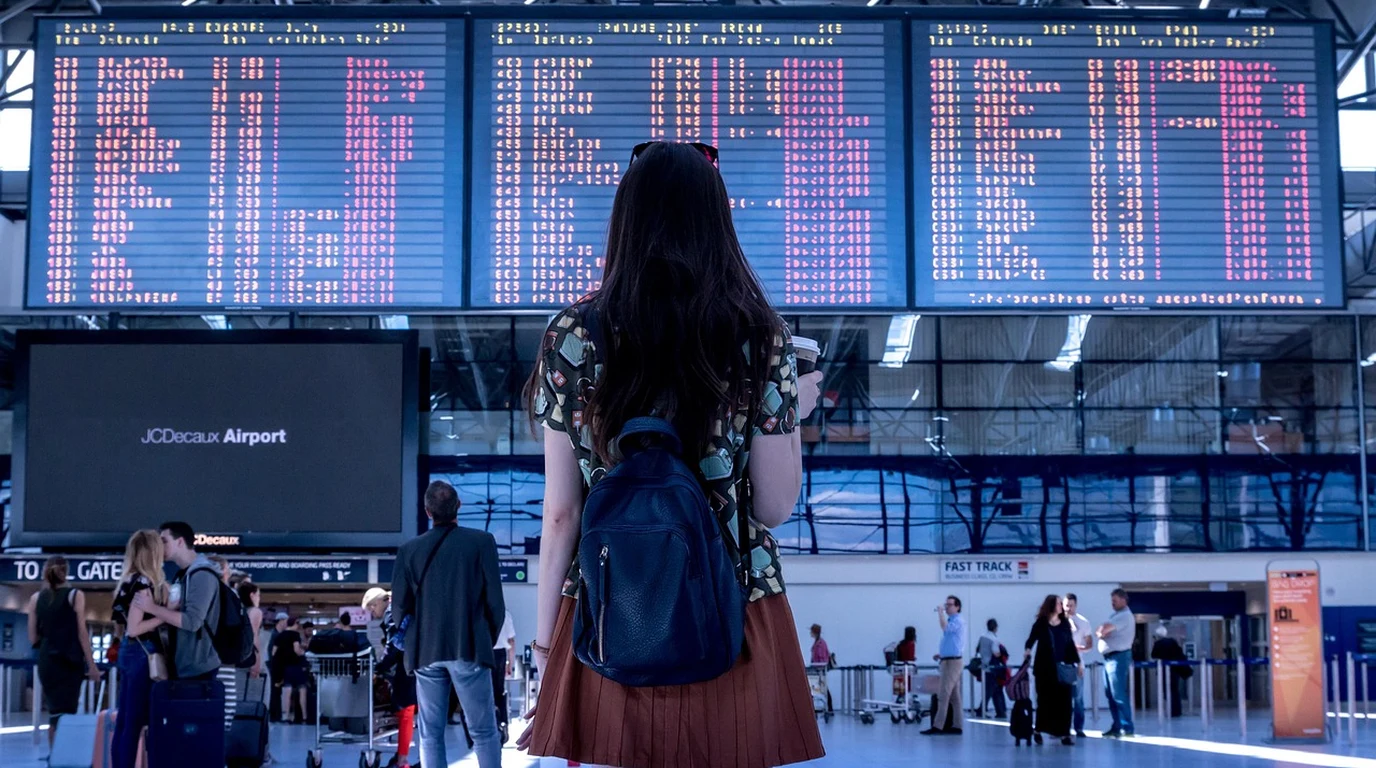
There are few travel experiences more agonizing than arriving at a Canadian airport with bags packed, clearing security, and watching the departures board suddenly flash “CANCELLED.” In the chaos that inevitably follows at customer service counters, stranded travelers are handed generic printed vouchers for a lukewarm cafeteria meal and told: “We apologize for the inconvenience, but your flight was cancelled due to an unforeseen crew shortage. Because staff availability impacts flight safety, this cancellation is classified as required for safety purposes, and under federal regulations, no cash compensation is payable.” Across Canadian airports, this script has been deployed tens of thousands of times by major carriers to deny compensation.
Under Canada’s Air Passenger Protection Regulations (APPR)—administered by the Canadian Transportation Agency (CTA)—passengers whose flights are delayed by three or more hours or cancelled due to situations within an airline’s control are entitled to statutory cash compensation scaling up to $1,000 per passenger. However, Canadian airlines engineered an aggressive legal loophole: by classifying crew scheduling breakdowns, pilot flight duty time expirations, and flight attendant staffing deficits as “safety-related events,” carriers systematically exempted themselves from paying statutory cash compensation.
However, recent precedent-setting decisions from the Federal Court of Appeal and regulatory enforcement crackdowns have fundamentally dismantled this corporate excuse. The courts have established with binding clarity that ordinary operational crew scheduling is an inherent, controllable responsibility of commercial airline management. If your Air Canada, WestJet, Porter, or Flair flight was delayed or cancelled due to a crew or staffing shortage, you are legally entitled to cash compensation.
Can Airlines Deny APPR Compensation for Crew Shortages?
No. The Federal Court of Appeal ruled that airlines cannot falsely claim ordinary crew shortages are ‘safety events’ to avoid paying cash compensation. Staffing and crew scheduling are within carrier control. If a flight delay or cancellation caused by crew issues exceeds 3 hours, you are entitled to up to $1,000 cash.
The landmark turning point in Canadian passenger rights occurred in the Federal Court of Appeal decision in WestJet v. Canadian Transportation Agency (Lanyon). In that case, WestJet cancelled a passenger’s flight citing a pilot shortage and claimed the cancellation was exempt from compensation because flying without a full flight crew would violate Transport Canada safety regulations. The Federal Court of Appeal soundly rejected the airline’s circular reasoning, ruling that commercial airlines cannot classify routine staffing deficits as uncontrollable safety emergencies.
The court affirmed that while operating an aircraft with adequate, well-rested crew members is unquestionably a mandatory safety requirement under Canadian Aviation Regulations (CARs), the administrative failure to recruit, schedule, and maintain reserve backup crew members is entirely within carrier control. Staffing shortages are an ordinary business risk inherent to operating a commercial passenger fleet. Consequently, unless a crew shortage was triggered by an extraordinary external force majeure event (such as an unpredicted volcanic ash cloud, air traffic control computer collapse, or severe weather diversion stranding crew members in a distant city), delays caused by staff availability fall squarely into the “Within Carrier Control” category.
APPR Statutory Compensation Schedule: What Airlines Owe You
Under the APPR, statutory cash compensation is dictated by the duration of the delay upon arriving at your final destination and the operational size of the airline:
| Arrival Delay at Destination | Large Airlines (Air Canada, WestJet) | Small Airlines (Flair, Lynx, Porter) | Mandatory Airline Care (Right Now) | Re-booking Obligation |
|---|---|---|---|---|
| 3 to 6 Hours Late | $400 Cash | $125 Cash | Food and drink vouchers; access to Wi-Fi | Must rebook on next available flight within 48 hrs |
| 6 to 9 Hours Late | $700 Cash | $250 Cash | Food, drink, and ground transportation | Must rebook on competitor airline if flight > 9 hrs late |
| 9+ Hours Late / Cancelled | $1,000 Cash | $500 Cash | Free hotel room accommodation + airport shuttle | Full cash ticket refund OR alternate airline seat |
Notice the legal requirement: APPR compensation is payable in actual cash (via electronic bank transfer, cheque, or direct deposit). An airline cannot force you to accept travel vouchers, promotional flight credits, or airline loyalty miles. If an airline representative offers you a $500 flight credit voucher for a 9-hour delay, you have the full statutory right to decline the voucher and demand the $1,000 cash entitlement guaranteed by federal law.
The Mandatory Re-Booking Rule: Airlines Must Book on Competitors
When an airline cancels a flight due to staff shortages, its legal duties extend far beyond cash compensation. Under Section 17 of the APPR, large carriers (Air Canada and WestJet) must re-book stranded passengers on their own next available flight departing within nine hours of the original departure time.
If an airline cannot re-book you on its own network within 9 hours, it is legally obligated to purchase you a confirmed seat on ANY competing carrier departing on any reasonable flight route within 48 hours. If Air Canada cancels your flight due to a crew shortage and cannot fly you out for 14 hours, Air Canada must legally buy you a ticket on a WestJet, Porter, or Delta flight departing sooner, entirely at Air Canada’s expense.
Actionable Playbook: How to Claim Your $1,000 Flight Delay Compensation
- Capture Immediate Written Evidence of Crew Reasons: At the departure gate, screenshot the airline’s mobile app notifications, gate monitor announcements, and SMS delay alerts. Take note of gate agent announcements stating “waiting on flight crew arrival” or “crew duty hours timed out.” Airlines routinely alter internal cancellation codes hours later to claim “weather” once passengers submit claims.
- Submit Formal APPR Claim Within 1 Year: File an online APPR compensation claim on the carrier’s official passenger claims portal. In your submission, explicitly quote the Federal Court of Appeal ruling in WestJet v. CTA (Lanyon) and state: “The cancellation was caused by crew/staff availability, which the Federal Court of Appeal has established is an operational issue within carrier control.”
- Do Not Accept Initial Automated Rejections: Airlines deploy automated bots to reject initial passenger claims with boilerplate text claiming “safety reasons.” Reply immediately disputing the classification. By law, airlines have 30 days to pay your claim or provide detailed, written operational reasons explaining why compensation was denied.
- Escalate to CTA or Provincial Small Claims Court: If the airline refuses to pay after 30 days, file an official dispute with the Canadian Transportation Agency (otc-cta.gc.ca) or take the carrier to your provincial Small Claims Court (such as the BC Civil Resolution Tribunal or Ontario Small Claims Court). Small claims tribunals routinely award passengers full $1,000 APPR damages plus court filing fees in crew shortage cases.
Airlines also use technical loopholes when flights are overbooked. Learn your immediate cash rights in our guide to Denied Flight Boarding in Canada: APPR Cash Rights.
People Also Ask
Is a crew shortage considered within airline control in Canada?
Yes. The Federal Court of Appeal ruled in WestJet v. CTA that crew scheduling and staffing shortages are operational matters within the carrier’s control, entitling passengers to APPR cash compensation if delays exceed 3 hours.
How much compensation do you get for cancelled flights in Canada?
Under the APPR, large airlines (Air Canada and WestJet) must pay $400 for delays between 3 and 6 hours, $700 for delays between 6 and 9 hours, and $1,000 for delays of 9 or more hours, paid in cash.
Can I demand cash instead of an airline voucher for a flight delay?
Yes. Under Canadian federal regulations, airlines must pay statutory delay compensation in cash, cheque, or electronic bank deposit. You are under no legal obligation to accept airline flight vouchers or loyalty points.
Seat selection fees represent only the first obstacle in commercial air travel. Learn how to secure cash compensation when delays strike in our investigation into Child Seat Fees on Canadian Airlines: APPR CTA Rules.
Tarmac delays and last-minute airport ground holds often trigger broader carrier obligations. Review our breakdown of airline compensation in Flight Tarmac Delay Rules in Canada: APPR Compensation.