
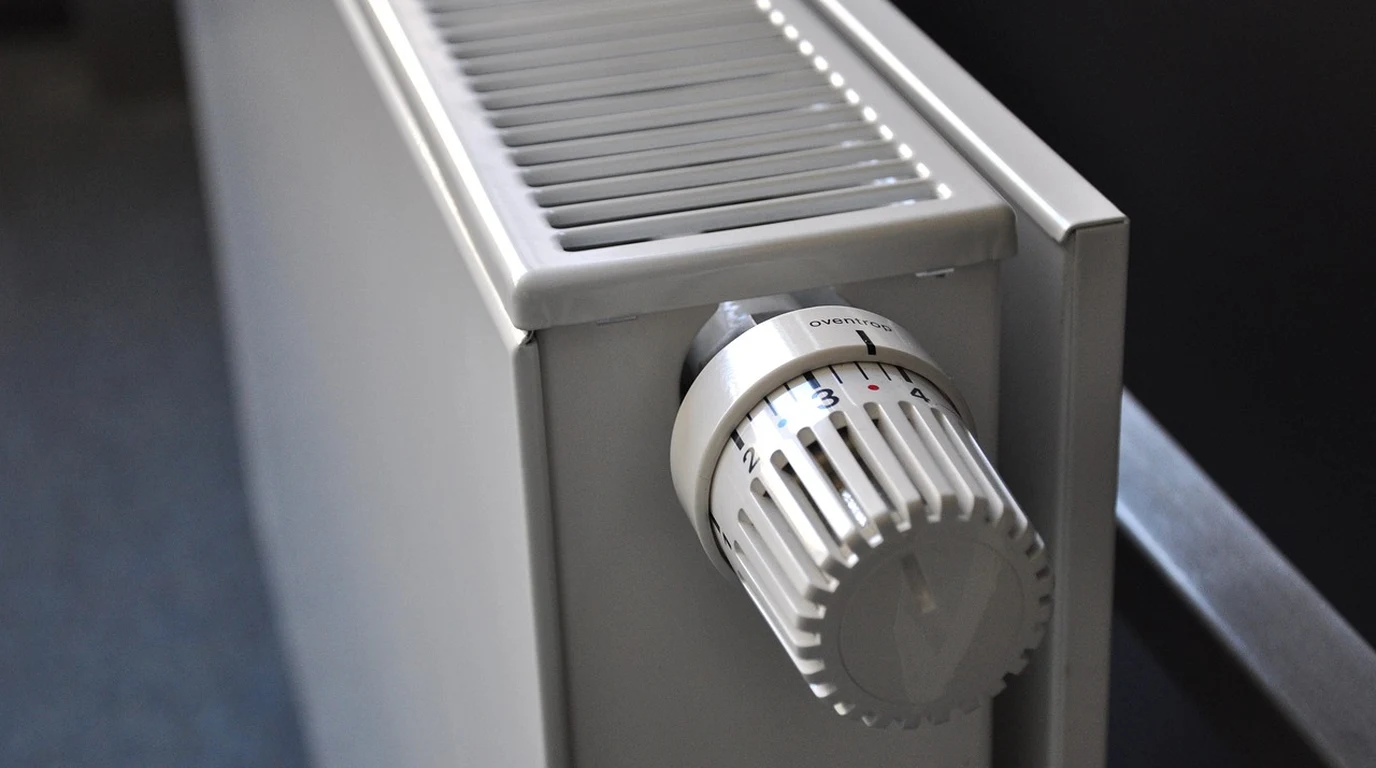
As late October temperatures plummet across Canada, hundreds of thousands of tenant households face a familiar and hazardous seasonal dispute: freezing rental units. From high-rise apartment towers in Toronto and Montreal to basement suites in Vancouver and duplexes in Calgary, landlords and property managers frequently delay firing up central boilers, throttle heat settings to cut natural gas expenses, or tell shivering tenants that heating is not required until deep winter. In extreme cases, landlords suggest that tenants purchase portable electric space heaters at their own expense.
Under Canadian law, adequate home heating is not an optional amenity or a landlord courtesy—it is a non-negotiable legal requirement tied directly to the statutory warranty of habitability. Every province and territory maintains strict residential tenancy legislation and municipal property standards bylaws that establish legally binding minimum indoor temperature thresholds, rigid heating calendar dates, and severe monetary penalties for non-compliant landlords.
What Is the Legal Minimum Heat a Landlord Must Provide in Canada?
Unlike general building maintenance issues, heating failures during the cold Canadian months are classified as emergency health and safety violations. Residential tenancy tribunals and municipal bylaws do not permit landlords a standard 30-day repair window when an apartment lacks adequate heat. Heating systems must be restored immediately, and failures to do so expose landlords to municipal fines, emergency city-ordered contractor repairs billed directly to property taxes, and retroactive rent abatements paid to tenants.
Provincial & Municipal Heating Standards: Ontario, BC, Alberta & Quebec
While the obligation to provide habitable accommodation is universal, exact minimum temperatures and statutory heating seasons are established through a combination of provincial residential tenancies acts and local municipal bylaws. The matrix below outlines the mandatory minimum standards across Canada’s primary rental markets:
| Jurisdiction & Bylaw | Mandatory Heating Season | Minimum Indoor Temperature | Nighttime Minimum Rules | Emergency By-law Enforcement |
|---|---|---|---|---|
| City of Toronto (Property Standards) | September 15 to June 1 | 21°C (69.8°F) | Must maintain 21°C 24 hours a day; no night drops permitted | Call 311; Municipal Licensing & Standards can dispatch inspector and issue Work Orders |
| Ontario (Provincial RTA Baseline) | September 1 to June 15 | 20°C (68°F) | Applies where local municipality has not enacted a higher standard | File LTB Form T6 (Tenant Application about Maintenance); request urgent hearing |
| British Columbia (Residential Tenancy Act) | Year-round habitability standard | 20°C to 22°C (Vancouver: 22°C) | Vancouver Standards of Maintenance requires 22°C in all living areas | Classified as Emergency Repair under RTB s. 33; tenant can authorize emergency work |
| Alberta (Public Health Act Housing Reg) | Whenever outdoor temperature drops | 22°C (71.6°F) | Heating system must be capable of 22°C at winter design temperature | Alberta Health Services (AHS) Environmental Public Health inspection; closure orders |
| Montreal, Quebec (Règlement sur la salubrité) | Year-round weather dependent | 21°C (69.8°F) | Applies when exterior temperature requires indoor heating | Tribunal administratif du logement (TAL); borough inspection via 311 |
What to Do When Your Landlord Refuses to Turn on the Heat
When an apartment is freezing, tenants often make the mistake of having verbal phone conversations with building superintendents or landlords. Verbal conversations create zero legal documentation. If you are experiencing inadequate heat, execute this four-step tactical playbook immediately:
- Create an Objective Temperature Log: Purchase an inexpensive digital indoor thermometer that records high, low, and current temperatures. Take timestamped photographs or video recordings of the digital readout placed in the center of your living room and bedroom, at least 1.5 meters above floor level and away from exterior doors. Keep a written log documenting morning, midday, and evening readings.
- Deliver an Emergency Written Notice: Send a formal written notice (via email or registered letter) to your landlord or property management company. Explicitly state: “The indoor temperature in unit [X] is currently [Y]°C, which is in direct violation of [Local Bylaw / Provincial Tenancy Act]. This is an emergency health and safety issue. Please confirm within 12 hours that heating services are being restored to the statutory minimum.”
- Call City Bylaw Enforcement (311): Do not wait weeks for a tenancy board hearing. Contact your municipal bylaw enforcement agency (such as 311 in Toronto, Vancouver, Calgary, or Edmonton). Municipal inspectors have the statutory authority to enter rental buildings, measure ambient room temperatures with calibrated thermometers, and issue legally binding Orders to Comply. In extreme cases, cities can dispatch emergency municipal heating contractors to repair the furnace, billing the cost directly to the landlord’s property tax roll.
- Apply for a Formal Rent Abatement: In Ontario, file an LTB Form T6 (Tenant Application about Maintenance) requesting a retroactive rent reduction for every day the unit was below the legal threshold, plus compensation for extra electricity consumed by space heaters. In British Columbia, heating system breakdowns qualify as an Emergency Repair under Section 33 of the Residential Tenancy Act, allowing tenants to incur repair costs and deduct them from rent if the landlord fails to act after two emergency contact attempts.
The ‘Proof of Purchase’ Battle: Do You Legally Need a Paper Receipt?
Every holiday season, millions of Canadians receive gifts without gift receipts or misplace paper slips printed on fading thermal paper. When attempting to return or exchange an item, retail customer service desks routinely issue an absolute refusal: “Without the original physical paper receipt, we cannot help you under any circumstances.”
From a strict contract law perspective, a merchant is entitled to demand proof that the transaction occurred at their establishment before accepting a change-of-mind return. However, if an item is defective, the legal standard is preponderance of evidence proving purchase, not the arbitrary possession of a piece of paper. Canadian courts and consumer tribunals have repeatedly affirmed that proof of purchase can be established through multiple alternative evidentiary methods:
- Digital Bank and Credit Card Statements: An electronic line item from your TD, RBC, Scotiabank, BMO, or CIBC online banking showing the exact dollar amount, date, and merchant terminal identifier serves as credible evidence of purchase.
- Store Loyalty and Digital Account Records: If the cashier scanned your PC Optimum, Triangle Rewards, or brand loyalty app at checkout, the transaction is permanently recorded on the retailer’s own centralized database. Demanding a paper receipt when the transaction resides in their POS system is an artificial barrier.
- Barcode and Serial Number Tracking: Major electronics, high-end tools, and appliances have unique serialized identifiers registered to the retailer’s wholesale inventory distribution log.
While a store can establish a policy requiring receipts for voluntary remorse returns, they cannot refuse to remedy a dangerous or defective product if the consumer presents clear alternative documentation verifying purchase.
Online Shopping Returns: Return Shipping Deductions & Border Traps
With Canadian e-commerce surging during November and December, return policies for online purchases present unique financial hazards. Unlike European Union consumer regulations, which mandate a 14-day statutory right of withdrawal for all distance and online purchases, Canadian provincial laws do not provide an automatic cooling-off period for online shopping unless the merchant failed to provide mandatory pre-contract disclosures.
When purchasing online, watch for these three pervasive retail return traps:
- Deducted Return Shipping Fees: Many retailers advertise “Easy Returns” on their homepage, only for consumers to discover in the return portal that an .99 to 5.00 pre-printed Canada Post return label fee is automatically deducted from their refund total. This deduction is legal under Canadian contract law if disclosed in the website’s shipping and returns terms.
- The Cross-Border Exchange Rate Spread: If you purchase from a US-based e-commerce site billing in USD, your Canadian credit card incurs a 2.5% foreign transaction fee on the purchase. When you return the item, the USD refund is converted back at the current day’s bid rate, minus another 2.5% spread. On a 00 purchase, a consumer can easily lose 0 to 5 simply through currency conversion spreads on a “100% full refund.”
- Customs Duties and CBSA Refunds: If you paid Canadian import duties and GST/HST on goods shipped from abroad, the retailer will only refund the product price. To recover the sales tax and duties paid to the Canada Border Services Agency (CBSA), you must manually submit a CBSA Form B2G (Informal Adjustment Request) with proof of export and credit note.
Can Landlords Restrict Thermostats in “Utilities Included” Units?
A contentious battleground occurs in basement apartments or converted houses where the landlord locks the central thermostat in a plastic lockbox or controls it via a smartphone app. If your residential tenancy agreement states that heat or utilities are included in your rent, the landlord cannot lock the thermostat at an arbitrary 18°C or 19°C to save money on heating fuel.
The legal benchmark is the temperature inside your living quarters, not the temperature reading in the landlord’s hallway. If the locked thermostat results in your bedroom or living room dropping below the municipal minimum (such as 21°C in Toronto or 20°C in standard Ontario jurisdictions), the landlord is in active breach of the tenancy agreement and provincial law. Furthermore, landlords cannot prohibit tenants from using supplementary heaters or demand extra utility fees unless your lease explicitly caps electricity usage with sub-metered billing.
Stay informed on your statutory protections with our latest breakdown on Ontario Standard Lease: Illegal Clauses Landlords Add.